Nov. 04, 2026
Canyoning and canoeing wetsuits look similar but serve opposite priorities—abrasion defense versus paddling mobility. This guide breaks down thickness, reinforcement zones, cut, and entry systems, helping buyers and custom wetsuit manufacturer clients specify the right construction for each end-use.
Today we just discuss this situation based on the top 10 EU adventure spots in this article. If you would like to know more, welcome to Wetop Sports knowledge center.
Canyoning Wetsuit vs Canoeing Wetsuit: What Actually Changes in the Design
A canyoning wetsuit and a canoeing wetsuit both use neoprene. Both keep you warm in cold water. But put a paddling suit through a canyon descent, or a canyoning suit through a full day of flatwater strokes, and the mismatch becomes obvious within the first hour. The difference is not cosmetic. It sits in how the suit manages abrasion, mobility, and water exposure under fundamentally different movement patterns.
How Thickness Diverges: 5mm Canyon Standard vs 2–3mm Paddling Range
Canyoning wetsuits cluster around 5 mm neoprene in the torso, often paired with 4 mm in the legs for a compromise between warmth and articulation. That thickness is deliberate: canyon water stays cold, and participants spend long stretches waiting on wet rock or in shaded pools. Multi-panel construction—5 mm chest, 4 mm upper leg—is common in commercial canyoning suits to keep the core insulated without turning the lower body into a stiff shell.
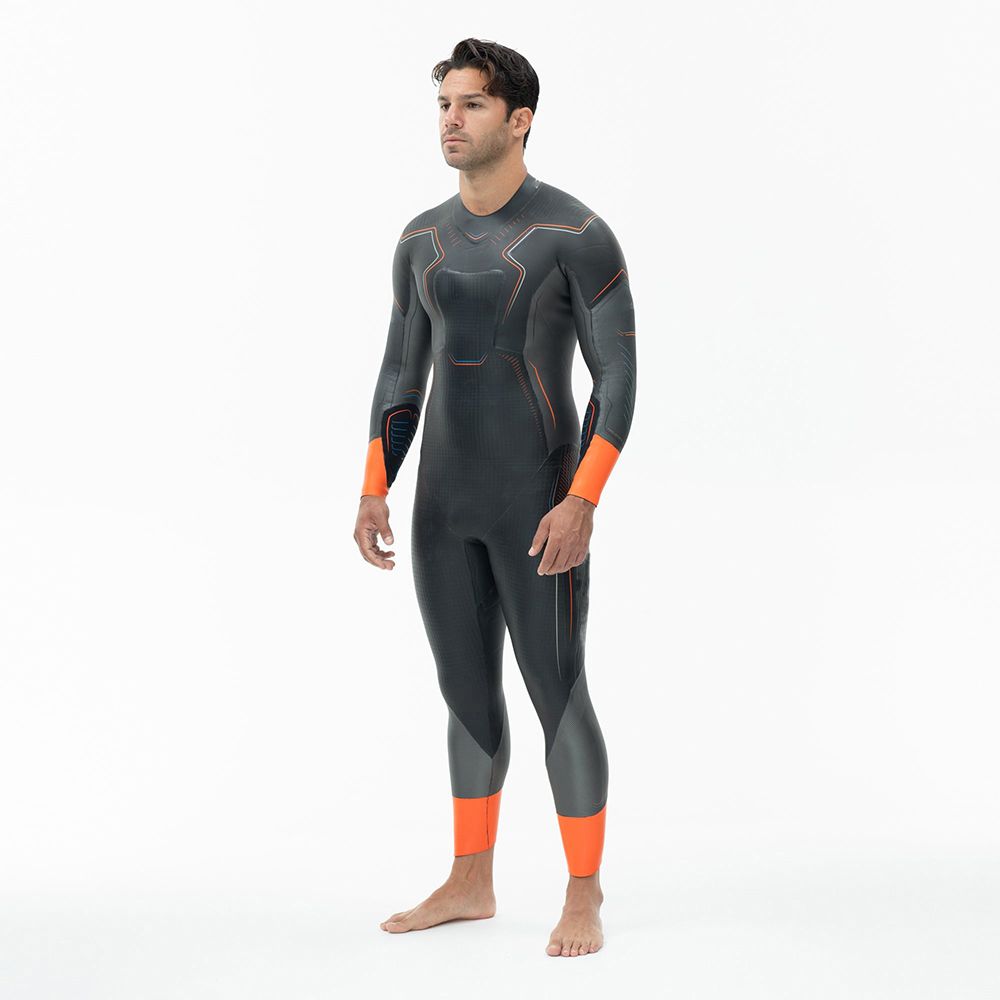
Canoeing wetsuits, by contrast, favor 2–3 mm neoprene across the body, with high-stretch 2 mm panels placed at the shoulders and behind the knees. The paddler generates heat through continuous torso rotation and arm work, so excessive thickness becomes a liability rather than an asset. For B2B buyers sourcing across both categories, this thickness split is the first specification that should be locked before fabric selection begins.
Reinforcement Zones: Where Canyoning Suits Carry Extra Armor
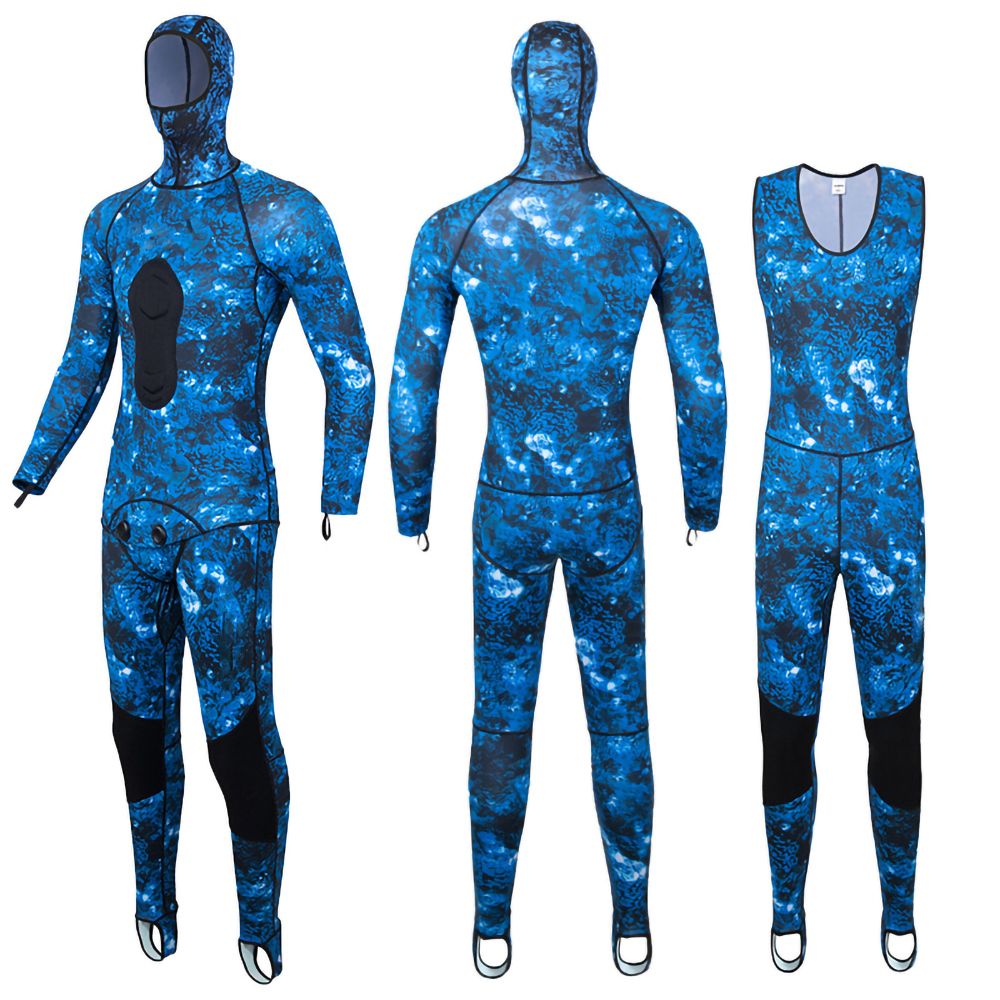
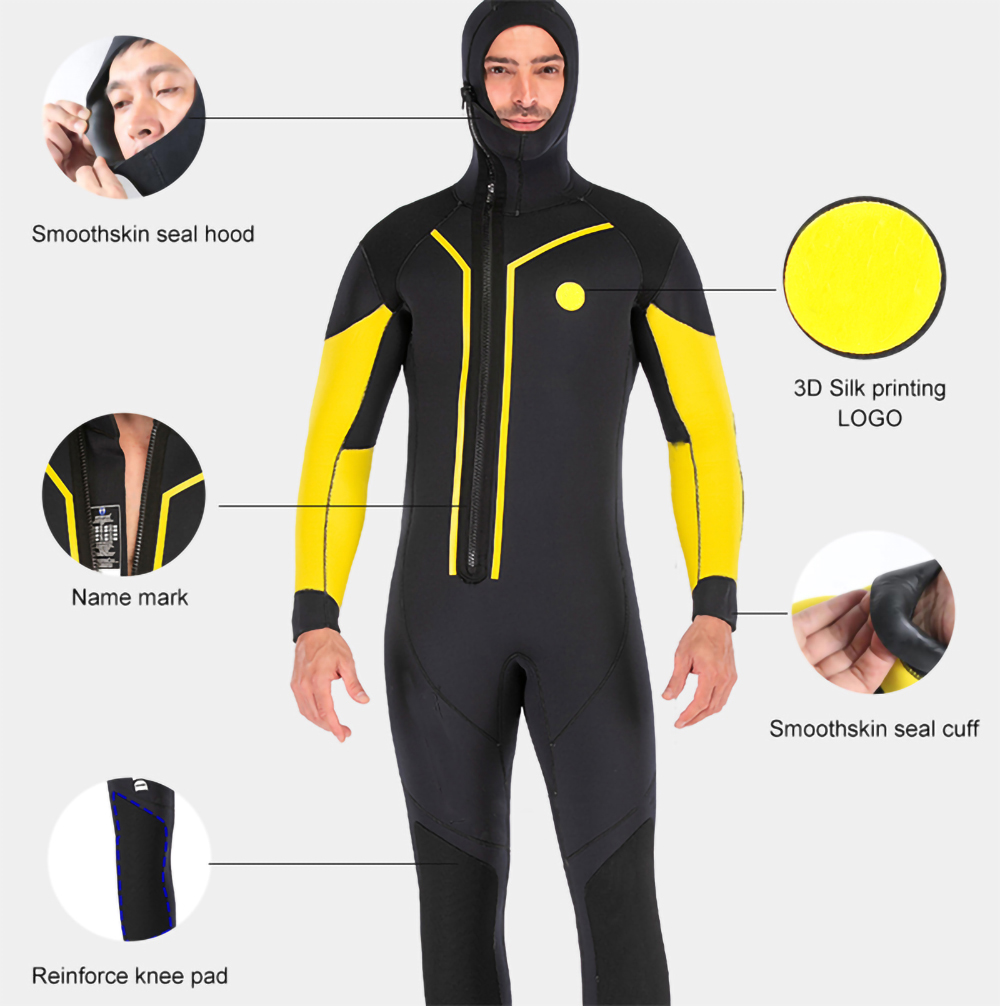
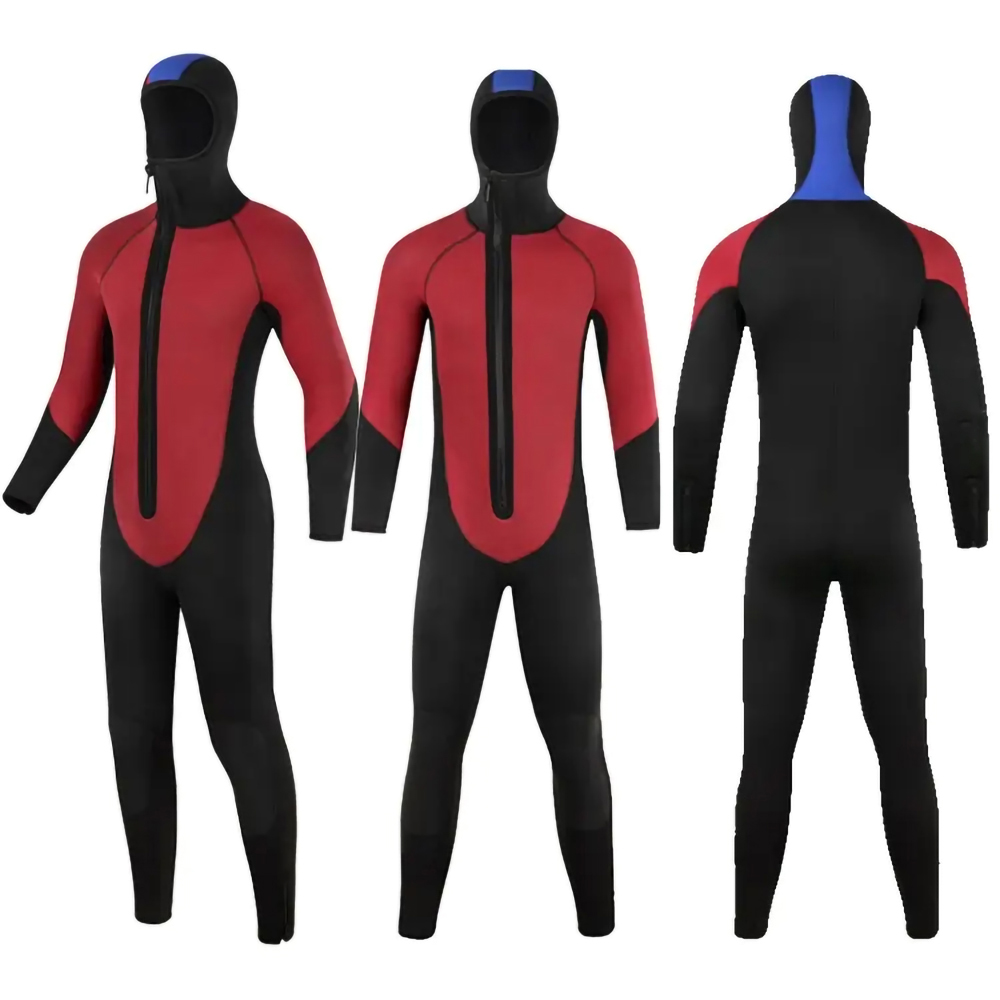
The most visible construction gap appears at the contact points. Canyoning involves scrambling, sliding, rope work, and repeated friction against rock, so suits carry reinforced knees, seat, and sometimes elbows. Manufacturers use Supratex, Kevlar panels, RF-06 rubberized reinforcement, or diamond-pattern patches to extend service life in these high-wear zones. Decathlon’s canyoning range explicitly positions knee and backside reinforcement as a durability feature, not a comfort extra. A canyoning suit without these panels will abrade through the neoprene at the knees and seat long before the thermal layer fails.
Canoeing wetsuits do reinforce seats and knees in some models, but the coverage is lighter and less abrasion-focused. The dominant design concern is preserving stretch through the shoulders and arm channels, not armoring against rock contact. A paddling suit that adopted full canyoning-grade knee and seat armor would gain durability it rarely needs while sacrificing the stretch the paddling stroke depends on.
Cut and Entry: Paddler's Armholes vs Canyon Hood and Long John Systems
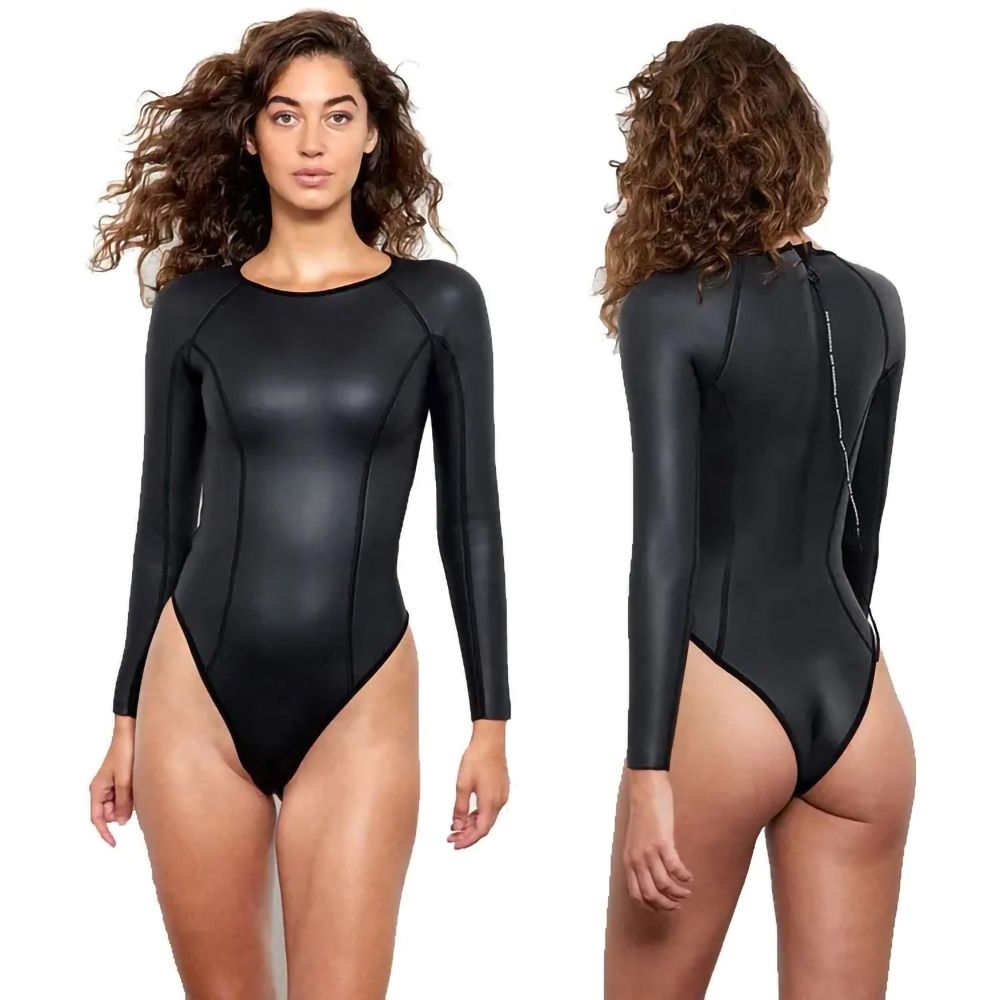
Canoeing wetsuits are cut for repetitive upper-body motion. The "paddler's cut" uses generous armholes and high-stretch shoulder panels to keep the suit from binding during forward strokes and torso rotation. Many paddling models are sleeveless or short-sleeved for the same reason: arm freedom matters more than full upper-body insulation in active paddling.
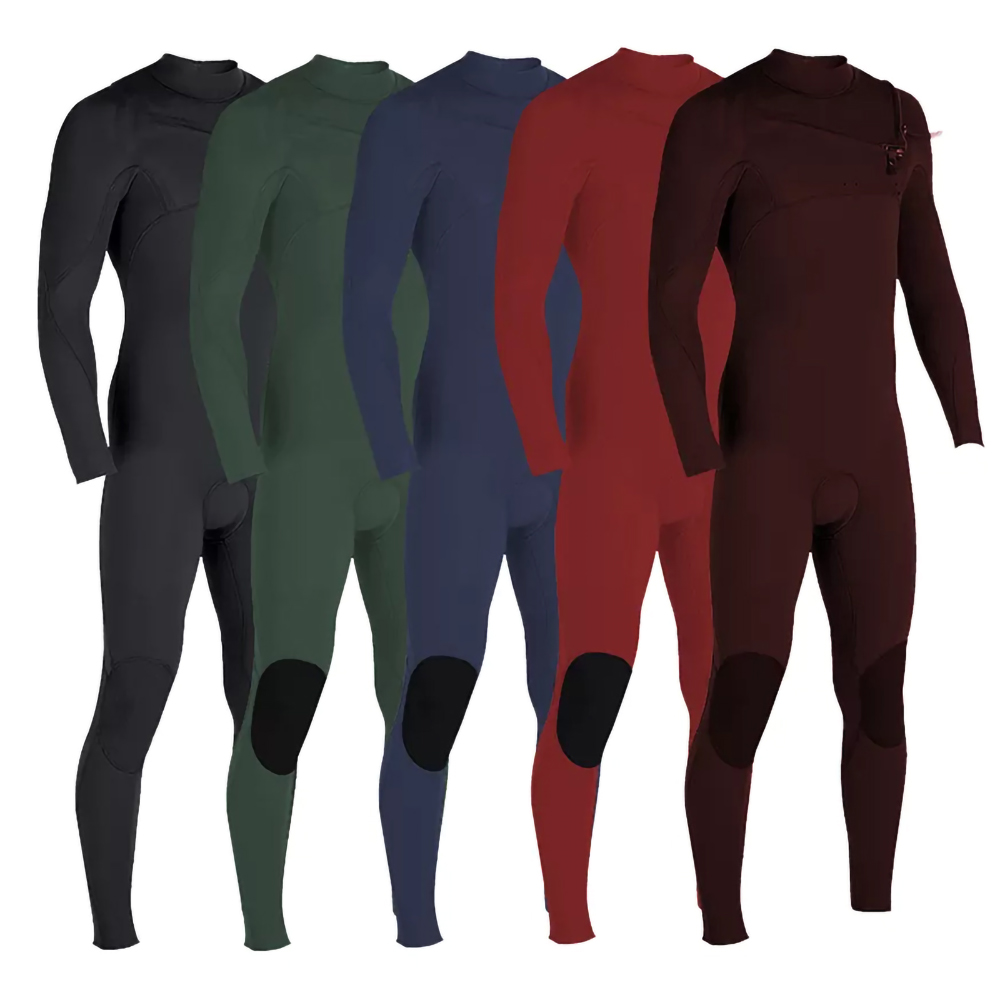
Canyoning suits often take the opposite route. Hooded jackets and two-piece long john-plus-jacket systems are widespread because immersion can be sudden and prolonged, and the double layer over the torso adds thermal protection for the vitals. A one-piece canyoning suit reduces water flushing during jumps but offers less versatility across water temperatures. For a custom wetsuit manufacturer serving both markets, the entry system and pattern block are not interchangeable—the same factory line may produce both, but the grading, panel layout, and seam placement follow different briefs.
The Sourcing Takeaway
Canyoning and canoeing wetsuits diverge because the activities impose different physical demands on the same base material. Thicker neoprene and armor belong where rock contact and waiting in cold water dominate; thinner, high-stretch panels and open armholes belong where the paddler never stops moving. Specifying one construction for the other end-use produces a suit that is either overbuilt for the stroke or underbuilt for the canyon. Working with a manufacturer experienced in both constructions—such as Wetop Sports, whose OEM/ODM range covers multi-sport and specialized wetsuit builds—allows buyers to align neoprene thickness, reinforcement placement, and cut to the actual use case rather than a generic "watersports" specification.
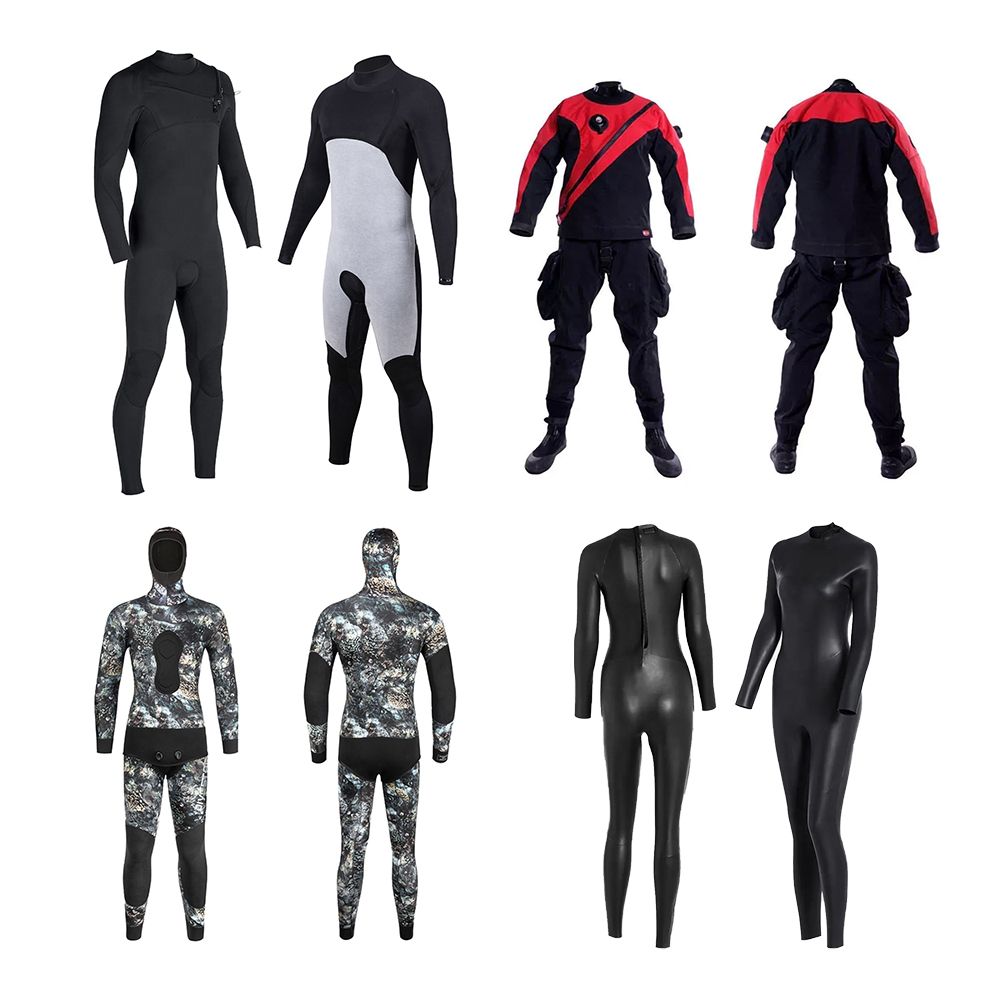
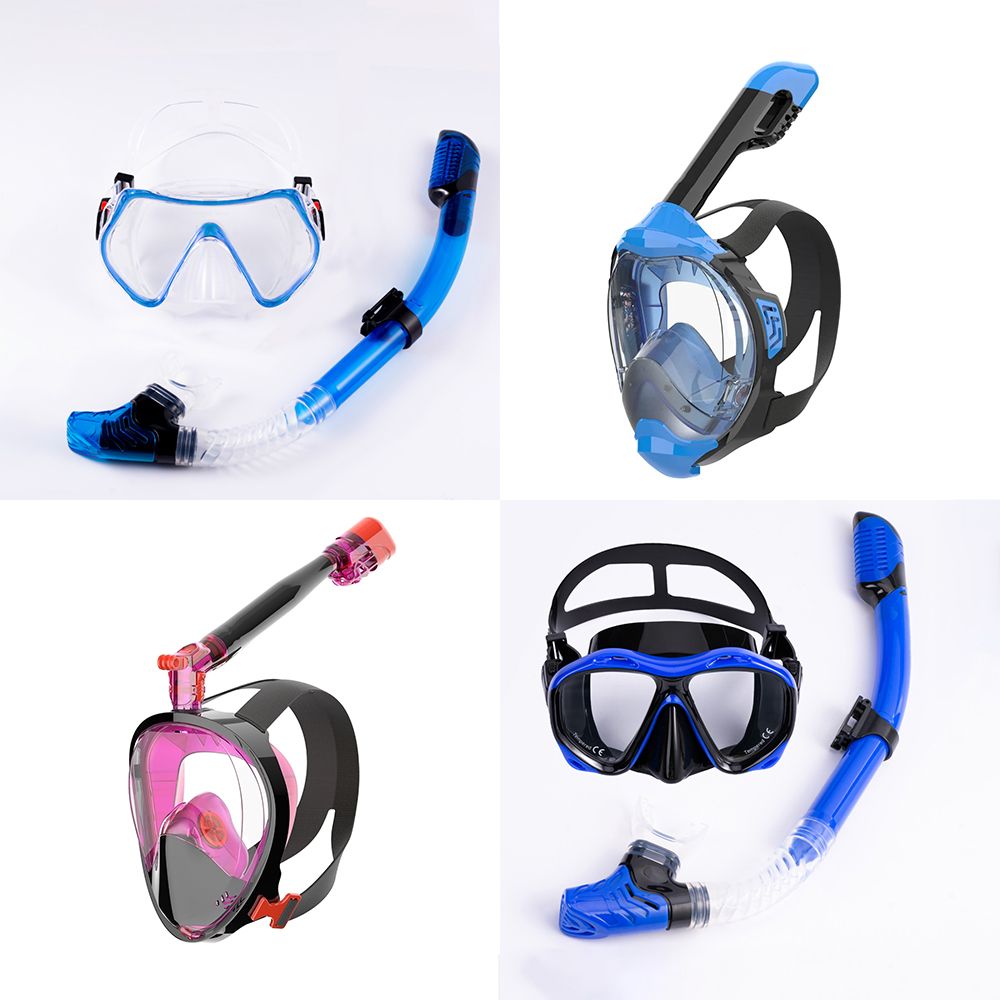
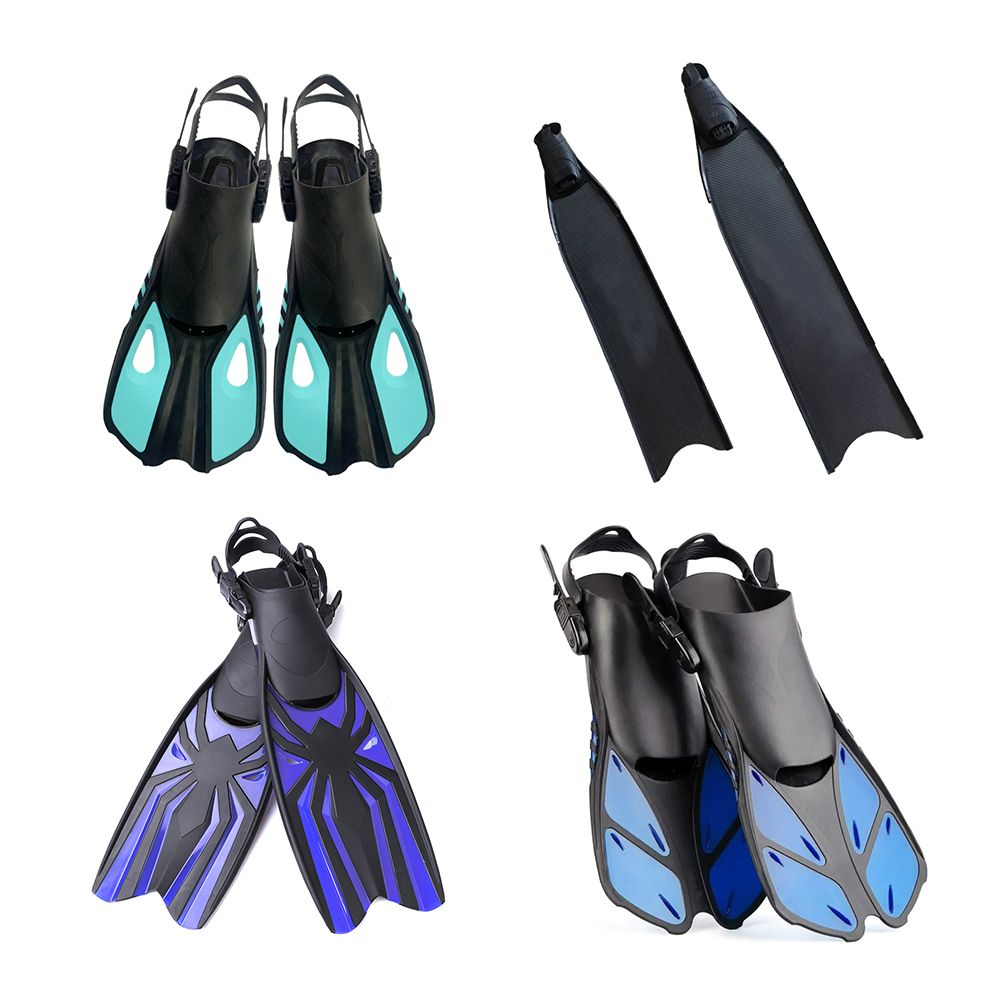
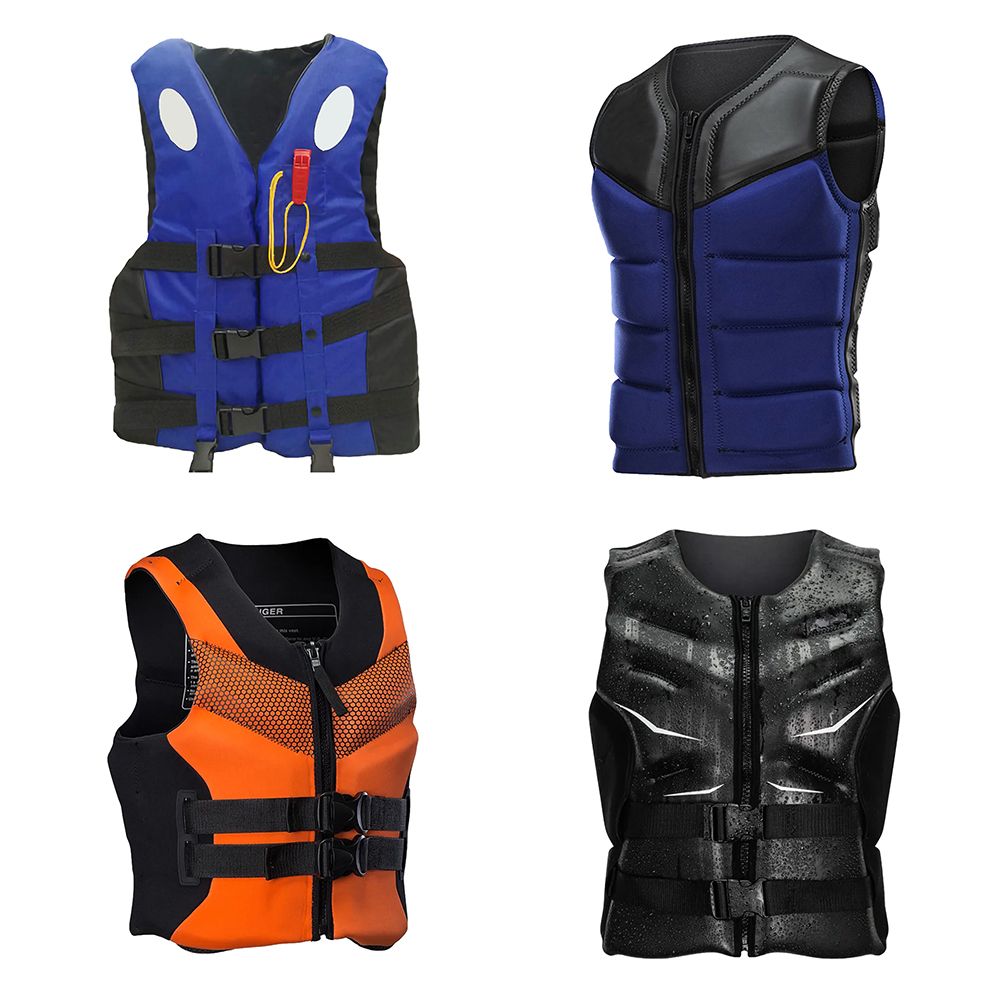
Wetop Sports, as one of the best wetsuit manufacturers, it always supplies wetsuit, drysuit, diving mask, diving fins, life jacket, rash guard, … etc. all over the world. Its main business is to assist our customers to build competitive brand with saving their capital and having reliable quality. if you would like to tailor your wetsuits for sale, why don’t you try cooperating with this so professional wetsuit factory?
Latest News
Best Sellers
Experience in Water
Guarantee on Wetop

Tel.: +86 592 6536 876
E-mail: enquiry@wetopsports.com
Copyright © Xiamen Wetop Sports Co., Ltd. All Rights Reserved | Sitemap
Quick Links
Company
Dear Friend
Thank you for your enquiry. We are looking forward to be your fantastic partner soon.
Due to different email systems, If you don't receive our email in the next 2 working days after submitting,
1) Pls kindly search the spam box in your email first,
2) If also not, Pls kindly let me know by leaving message here again, sending email or other contact info. Such as FB, linkedin.
Page automatically Jump waiting time : 30
Enquiry info sending...