Oct. 21, 2026
Premium life jacket design is not about adding features—it is about engineering buoyancy distribution, fit, and material durability around a specific performance level. This guide breaks down the decisions that matter for brands and procurement teams working with an OEM/ODM life jacket manufacturer, from foam selection to shell construction and ergonomic patterning.
if wanting to know more, also welcome to Wetop Sports knowledge center.
High-End Life Jacket Design: What Actually Separates Premium from Basic
Most life jackets on the water are functionally adequate. Few are genuinely well-designed. The difference rarely comes down to a logo or a price tag—it comes down to a series of engineering decisions made long before the first sample is cut.
Start With the Performance Level, Not the Look
A serious design process begins by fixing the intended performance level. ISO 12402 classifies lifejackets at levels 100, 150, and 275, each tied to a specific minimum buoyancy measured in Newtons for a 75 kg reference wearer. Level 150 is generally the floor for open-water use: it is designed to turn an unconscious wearer face-up without user intervention. A premium jacket that carries a 150 or 275 rating is not simply a thicker vest—its buoyancy chamber geometry, closure system, and in-water orientation have all been validated against that target.
Buoyancy Architecture: Where Premium Design Is Won or Lost
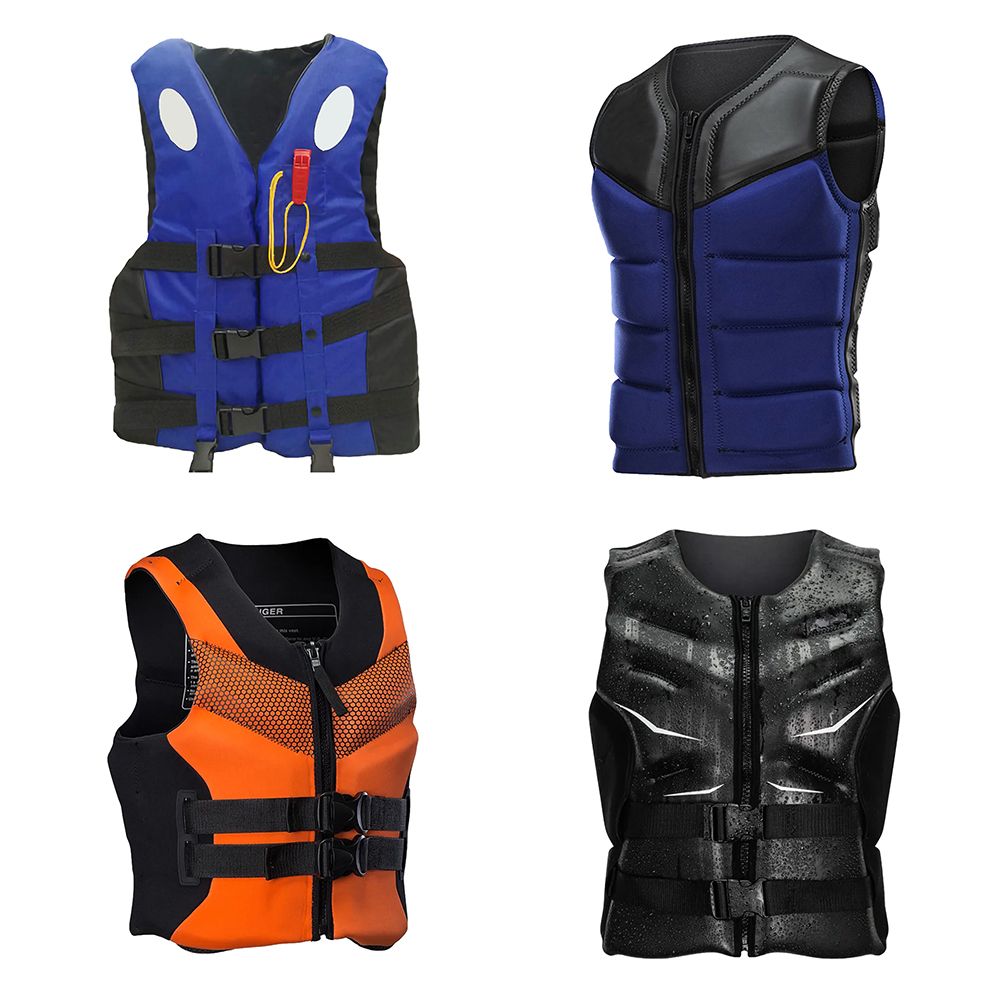
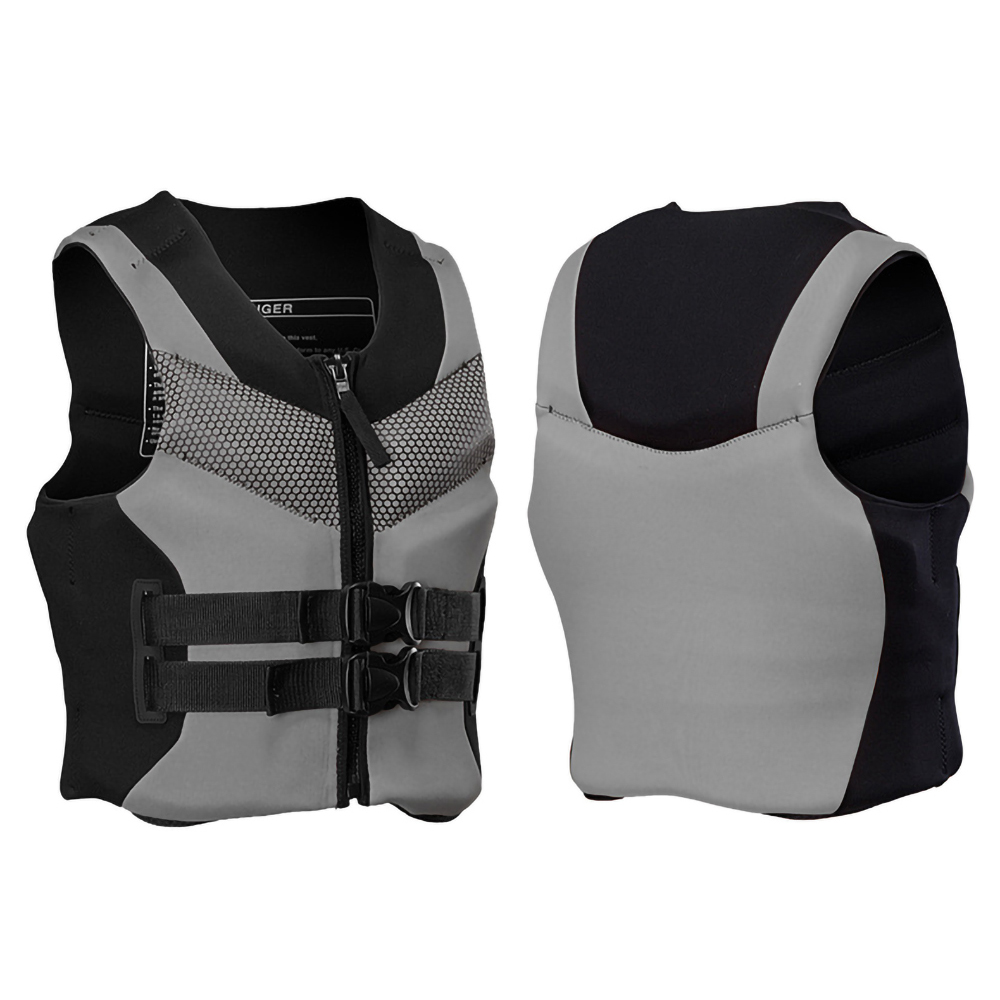
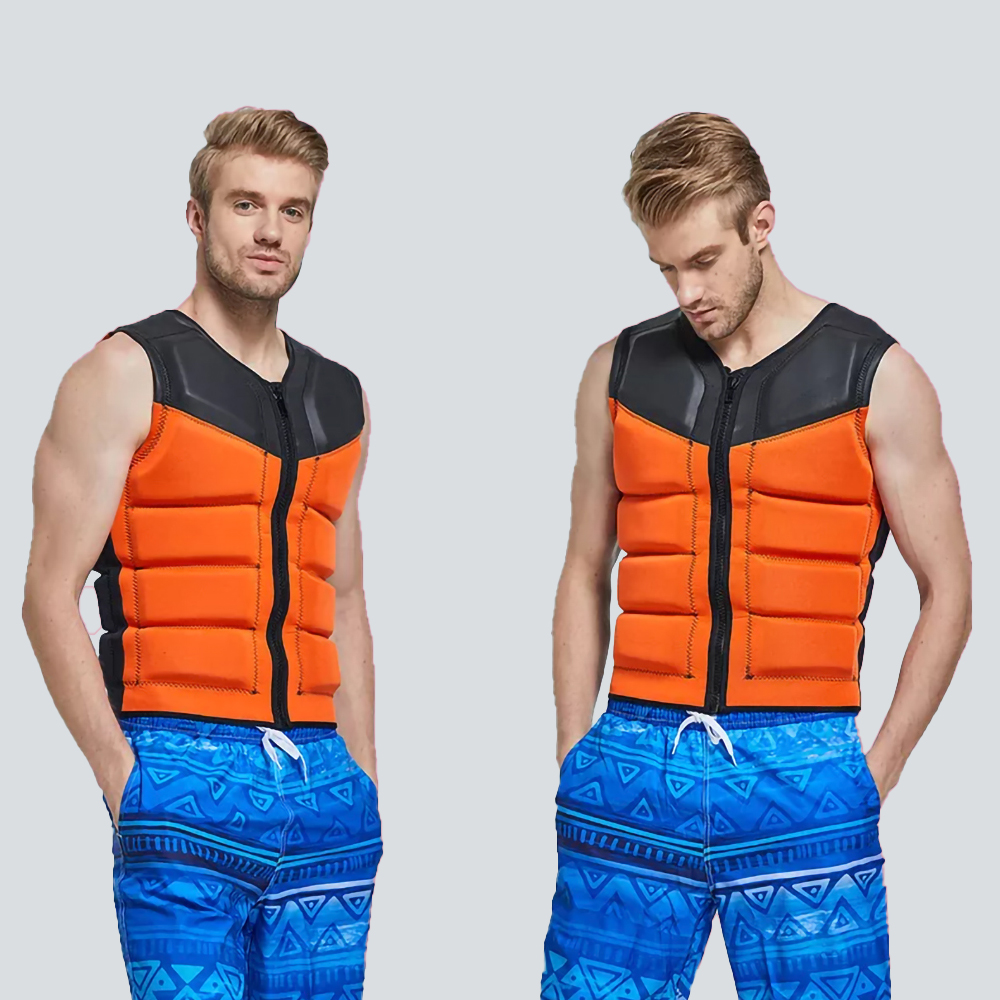
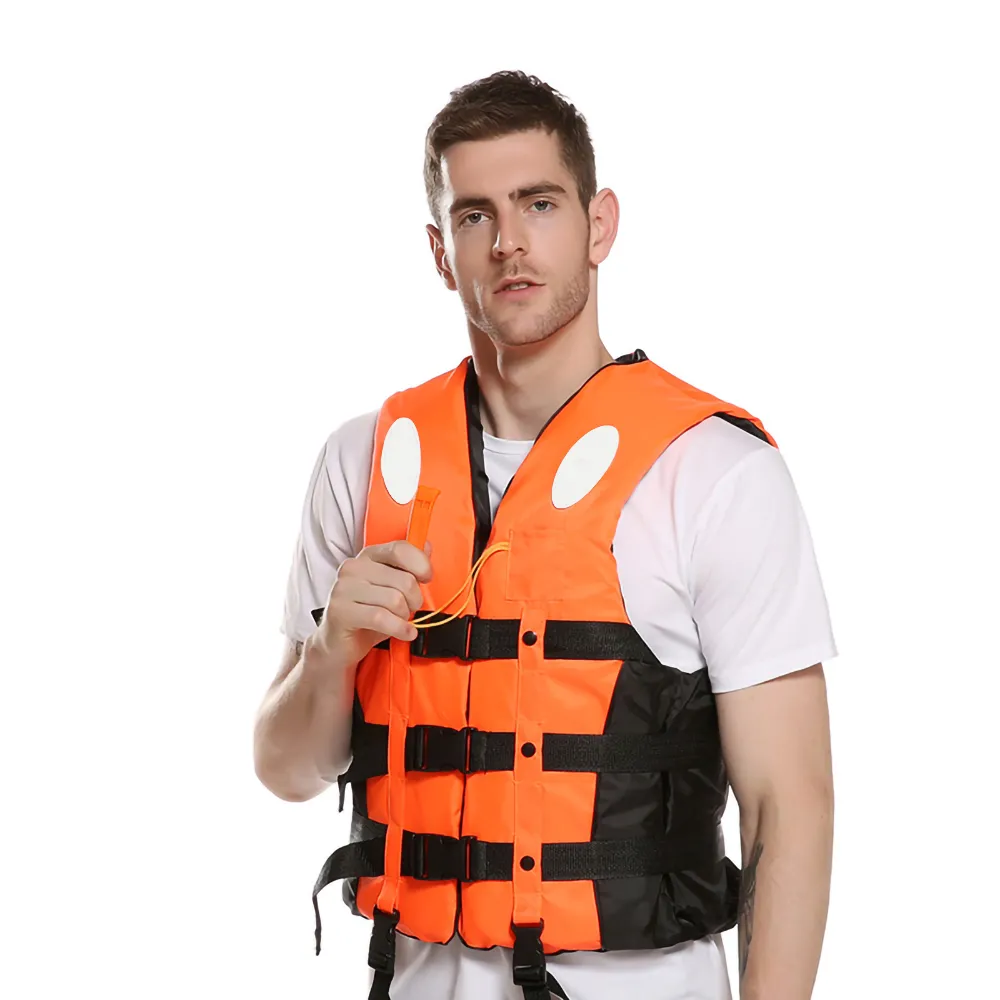
The buoyant core is the single most consequential material decision. Economy jackets typically rely on 400D oxford shells paired with EPE foam. The higher tier—the one that justifies a premium positioning—moves toward neoprene-faced shells and soft PVC foam constructions, where the foam is selected for compression behavior, not just thickness. Split-panel and bevelled-edge foam layouts also matter: they allow the jacket to bend with the torso instead of fighting it, which directly affects how long a wearer will keep it on.
At the very top end, the industry is moving away from flat, two-dimensional foam patterns. Spinlock's 2026 VITO AFS, for example, uses a three-dimensional buoyancy chamber sewn into the jacket's outer construction, placing flotation where it improves rotation and freeboard rather than simply adding bulk. For a custom project, the question is not whether a factory can die-cut foam, but whether it can control foam density, layer bonding, and panel orientation consistently across production runs.
Ergonomics and Fit: The Unseen Engineering
A high-end jacket has to perform the same way a garment does. Multi-panel patterning, articulated side sections, and adjustable webbing at the waist and shoulders are not comfort extras—they determine whether the buoyancy stays in the correct position when the wearer is moving, sitting, or entering the water. Neoprene-faced constructions are popular at the premium tier precisely because the face fabric has enough stretch to conform to the body without dead spots, while the nylon substrate keeps the shell from distorting under load.
Visibility and Integration Without Compromise
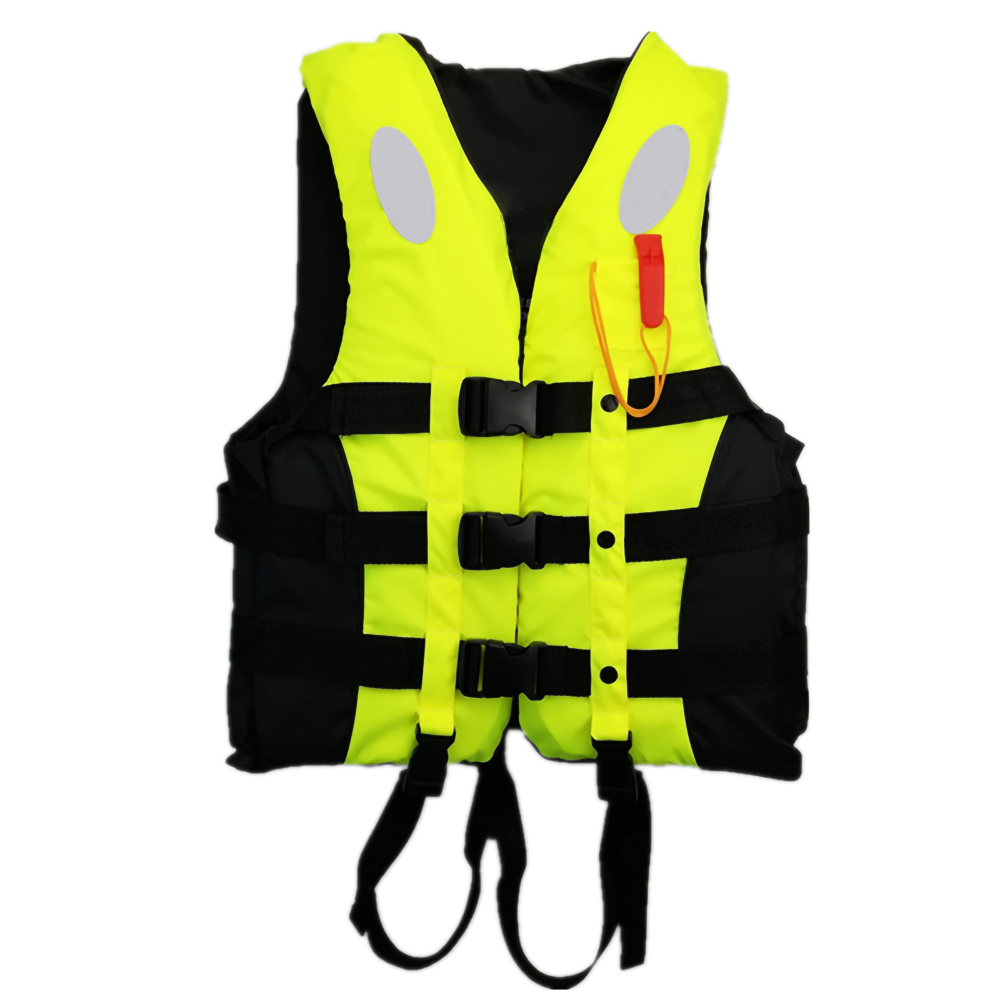
Premium design also anticipates rescue scenarios. Contrasting high-visibility colors, reflective tape placement, and dedicated attachment points for lights or personal locator beacons are now expected in serious offshore and commercial products. The engineering challenge is integrating those elements without adding snag hazards or compromising the buoyancy chamber's integrity—which is why the better factories design accessory mounting into the pattern from the start, not as a post-production add-on.
The Manufacturing Partner Is Part of the Design Equation
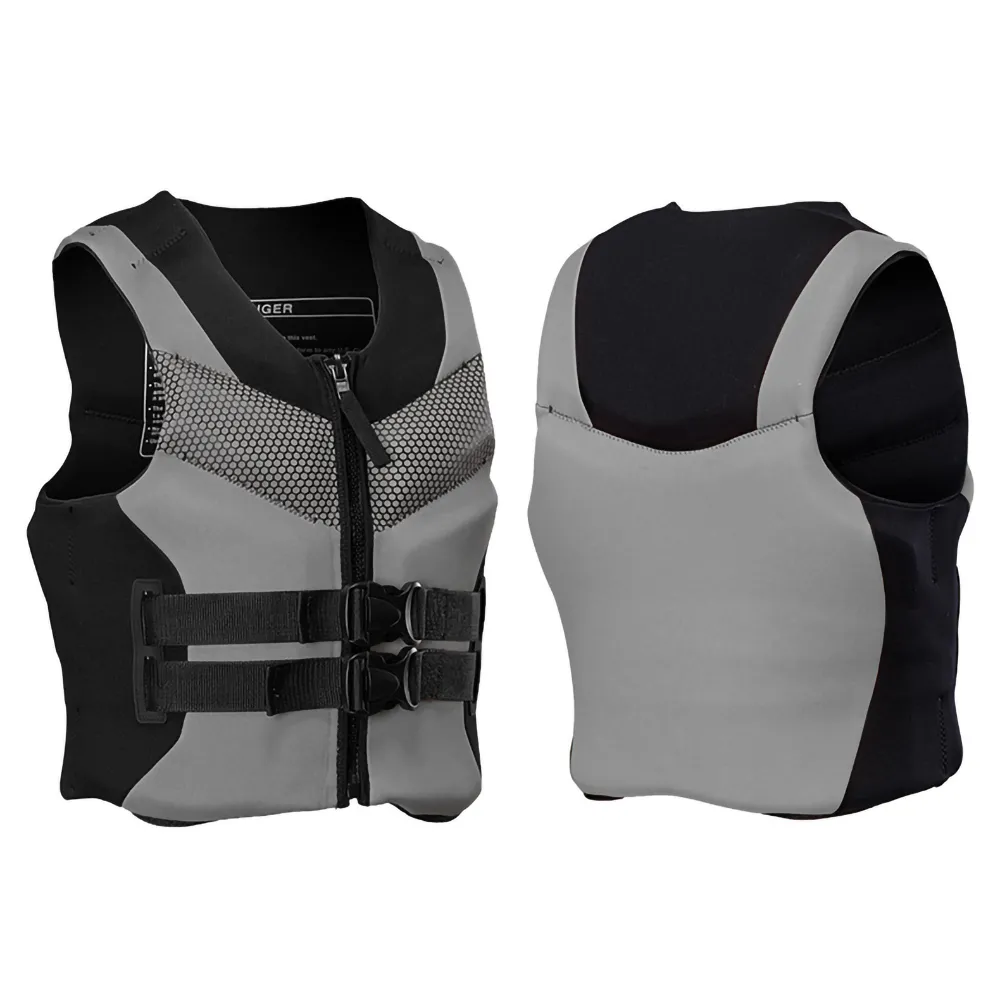
A high-end concept only survives if the production partner can hold tolerances on foam thickness, seam strength, and fit consistency. When evaluating an OEM/ODM life jacket manufacturer, the useful questions are specific: How is foam density verified? Are shell fabrics and closures tested to the same standard as the finished jacket? Can the factory document buoyancy performance across sizes, not just a single prototype? Wetop Sports supplies neoprene and PVC foam life jacket constructions alongside a broader water sports manufacturing line, which means the material and closure decisions are made within the same production ecosystem rather than assembled from scattered vendors.
High-end life jacket design is ultimately a discipline of constraint management: fixing the performance level first, engineering buoyancy around the body rather than the other way around, and choosing a manufacturing partner who can repeat the result.
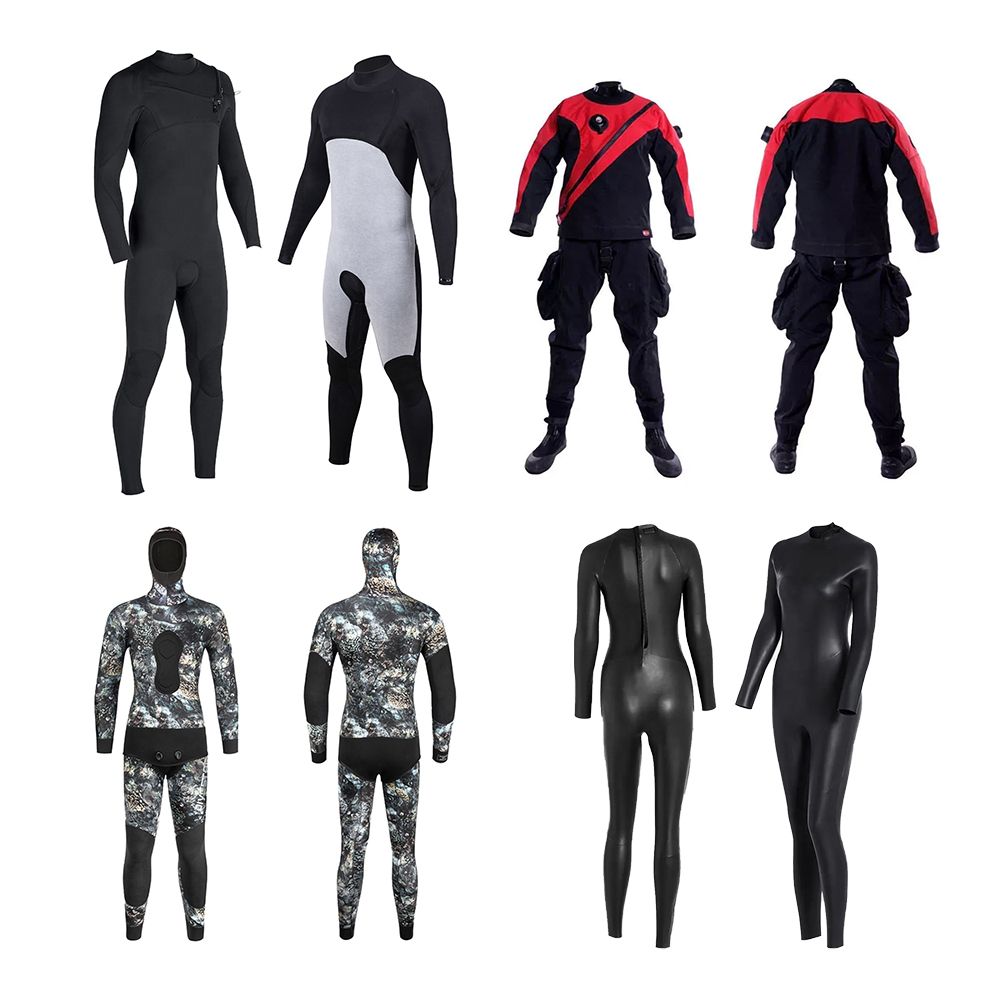
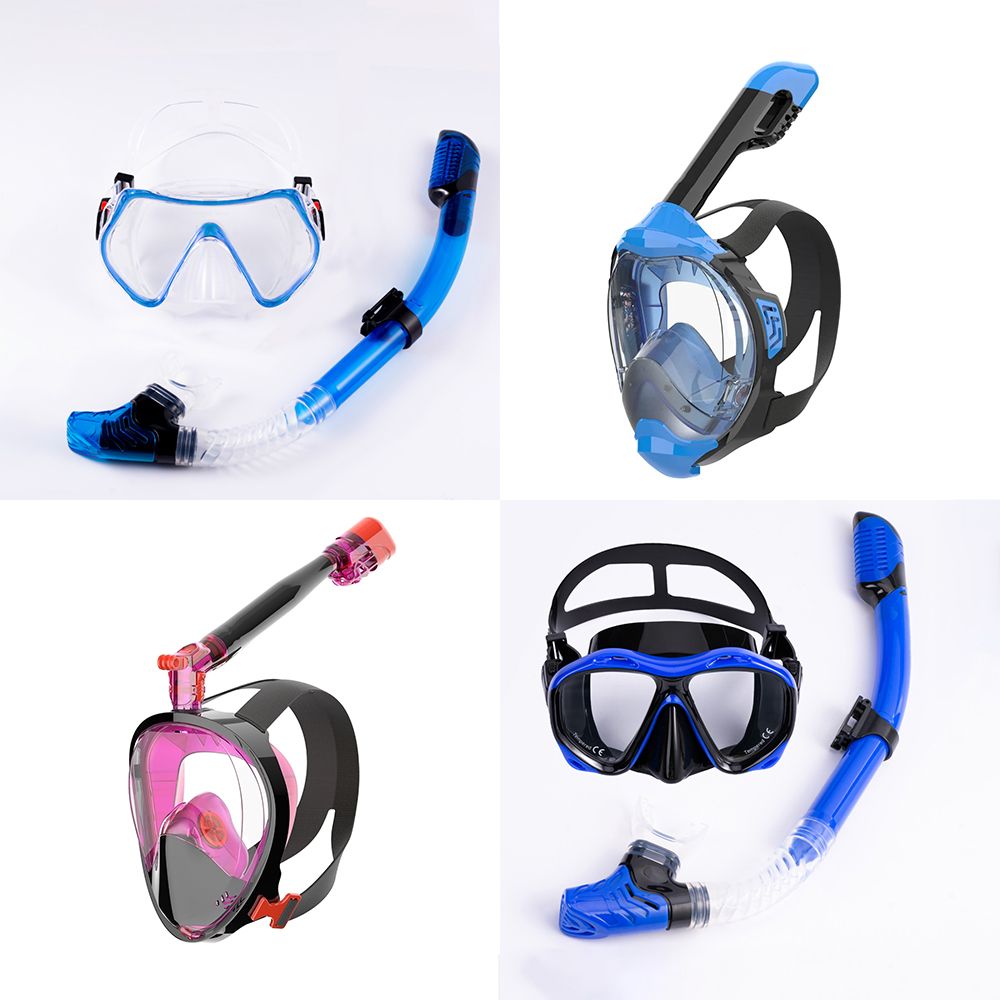
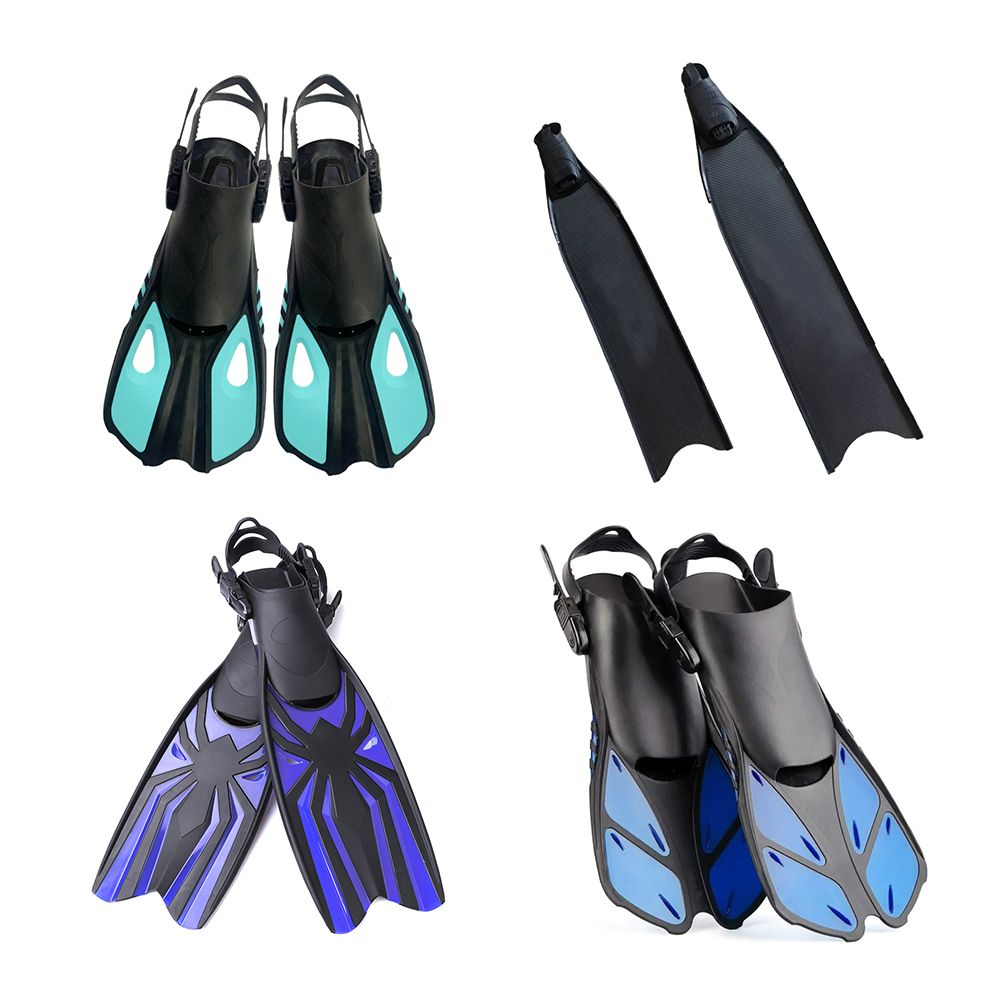
Wetop Sports, as one of the best life jacket manufacturers, it always supplies wetsuit, drysuit, diving mask, diving fins, life jacket, … etc. all over the world. Its main business is to assist our customers to build competitive brand with saving their capital and having reliable quality. if you would like to tailor life vest or wholesale life jacket, why don’t you try cooperating with this so professional personal flotation device factory?
Latest News
Best Sellers
Experience in Water
Guarantee on Wetop

Tel.: +86 592 6536 876
E-mail: enquiry@wetopsports.com
Copyright © Xiamen Wetop Sports Co., Ltd. All Rights Reserved | Sitemap
Quick Links
Company
Dear Friend
Thank you for your enquiry. We are looking forward to be your fantastic partner soon.
Due to different email systems, If you don't receive our email in the next 2 working days after submitting,
1) Pls kindly search the spam box in your email first,
2) If also not, Pls kindly let me know by leaving message here again, sending email or other contact info. Such as FB, linkedin.
Page automatically Jump waiting time : 30
Enquiry info sending...