Feb. 09, 2026
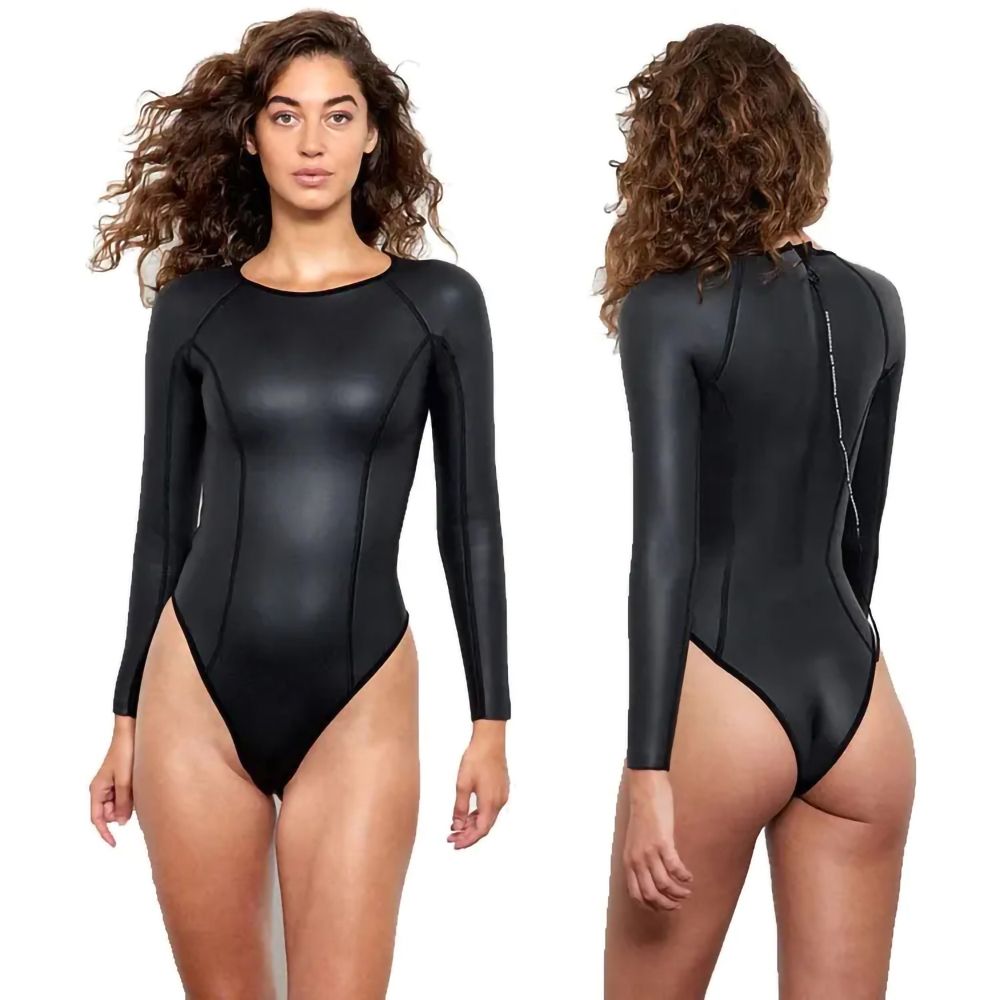
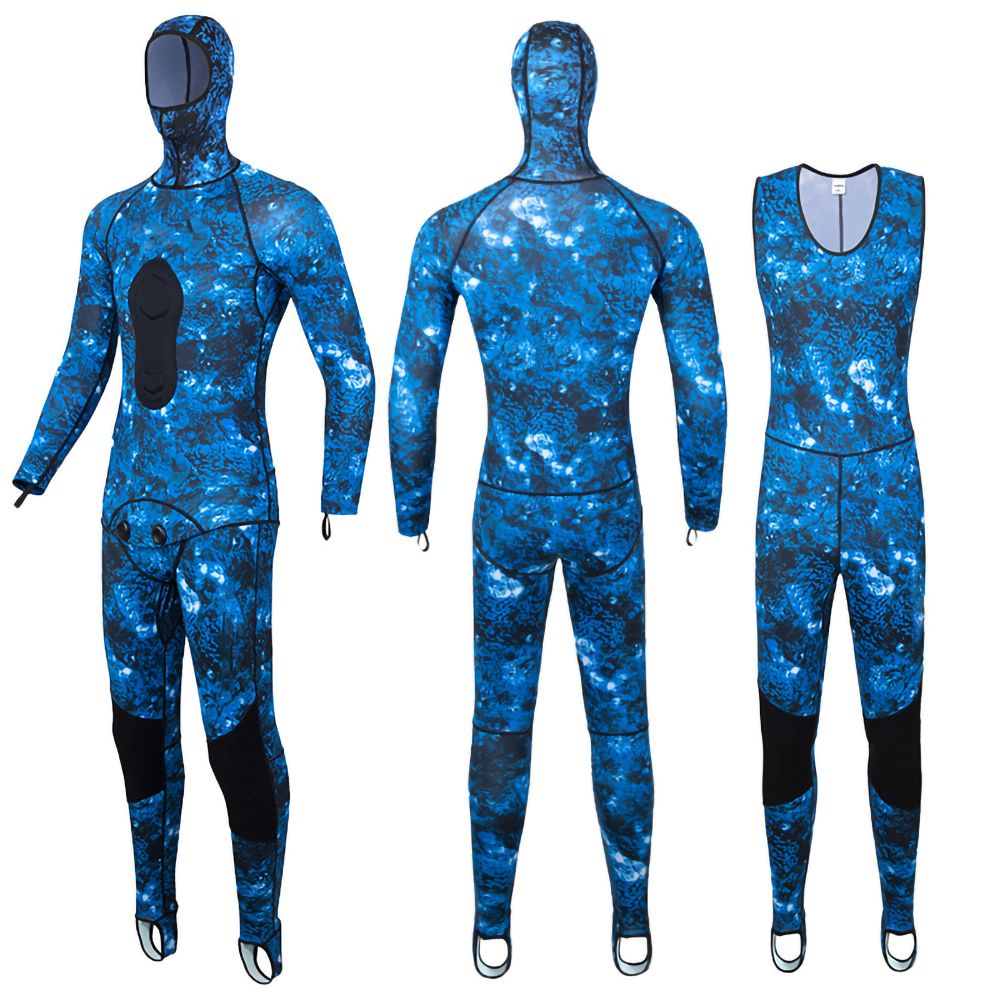
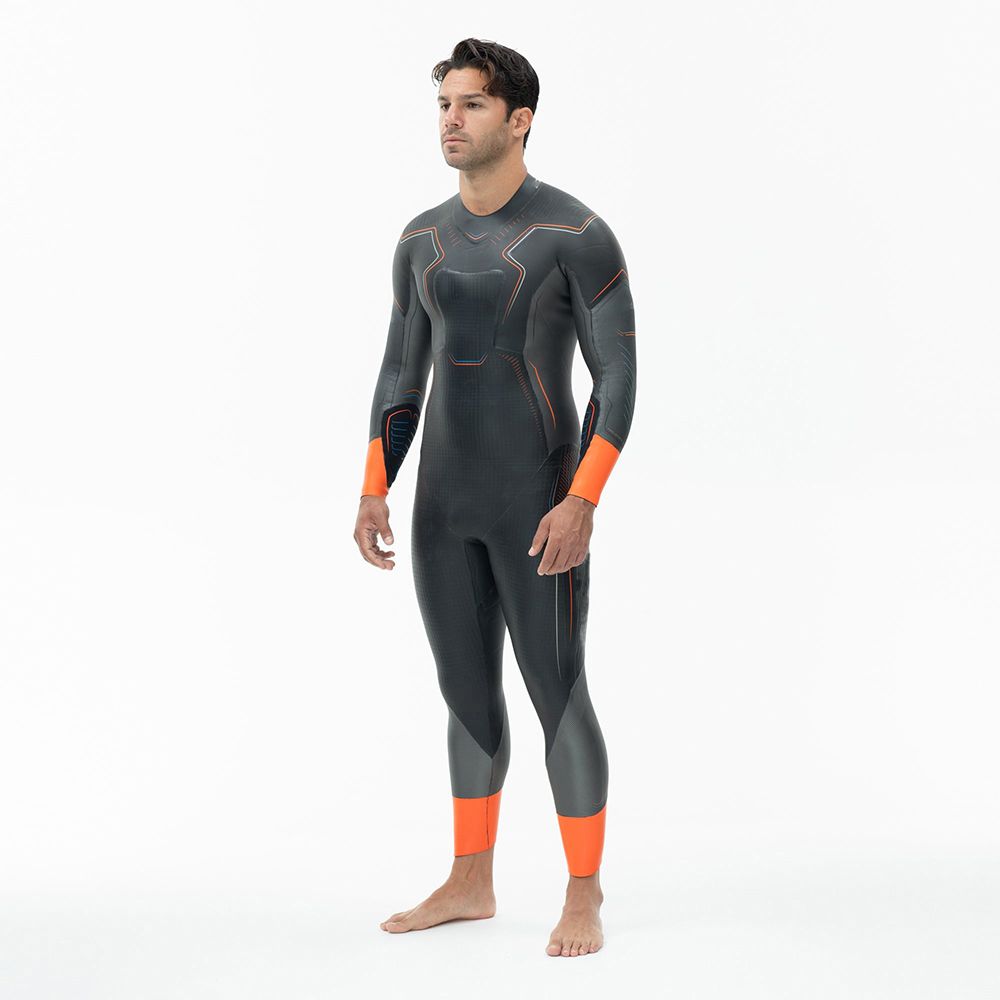
Traditional wetsuits primarily rely on foamed rubber (neoprene) for insulation, which suffers from compressed insulation at depth and limited flexibility. The latest research is fundamentally redefining performance boundaries through biomimetic designs, smart materials, and nanotechnology.
This article provides an in-depth analysis of these cutting-edge technologies and a practical assessment of their DIY feasibility. If you would like to know more, welcome to Wetop Sports knowledge center.
Table of Contents:
Comparative Analysis of Passive Insulation Technologies
Innovations in Durability and Fit
Frontiers of Smart Function Integration
Practical DIY Feasibility Guide
Frequently Asked Questions (FAQs)
1. Comparative Analysis of Passive Insulation Technologies
1.1 Bio-Inspired Fur Design: Learning Insulation from Nature
Core Technical Principle: Mimics the fur structure of semi-aquatic mammals like beavers and otters. A dense, textured surface traps a stable air layer to minimize heat transfer.
Key Materials: Silicone-based materials like Polydimethylsiloxane (PDMS) are used to create precise textured surfaces.
Research Progress: MIT research modeled the relationship between hair spacing and diving speed to maximize the "dry region" against the skin.
DIY Feasibility: Very Low. Requires precision surface fabrication and advanced fluid dynamics modeling.
1.2 High-Performance Composite Foams: The Nano-Scale Insulation Revolution
Core Technical Principle: Utilizes Hollow Glass Microspheres (HGM) coated with polyurethane to form a closed-cell foam structure with low thermal conductivity.
Performance Advantage: Compared to traditional neoprene, HGM composites offer superior insulation for the same thickness while maintaining flexibility and water resistance.
Research Source: Studies from Chinese institutes show special coatings significantly enhance HGM durability.
DIY Feasibility: Low. Requires specialized material compounding and lamination equipment. HGMs are not readily available.
1.3 Multi-Layer Air Gap Construction: Combating Depth Pressure
Design Principle: Creates stable air gaps using sealed, low-thermal-conductivity layers to maintain insulation even under pressure at depth.
Performance Target: A U.S. Special Operations Forces (SOF) project aims to develop suits retaining 75% of their surface insulation rating at 30-meter (100-foot) depths.
DIY Feasibility: Medium-Low. Advanced DIYers can experiment with material lamination, but achieving reliable seals and pressure performance is highly challenging.
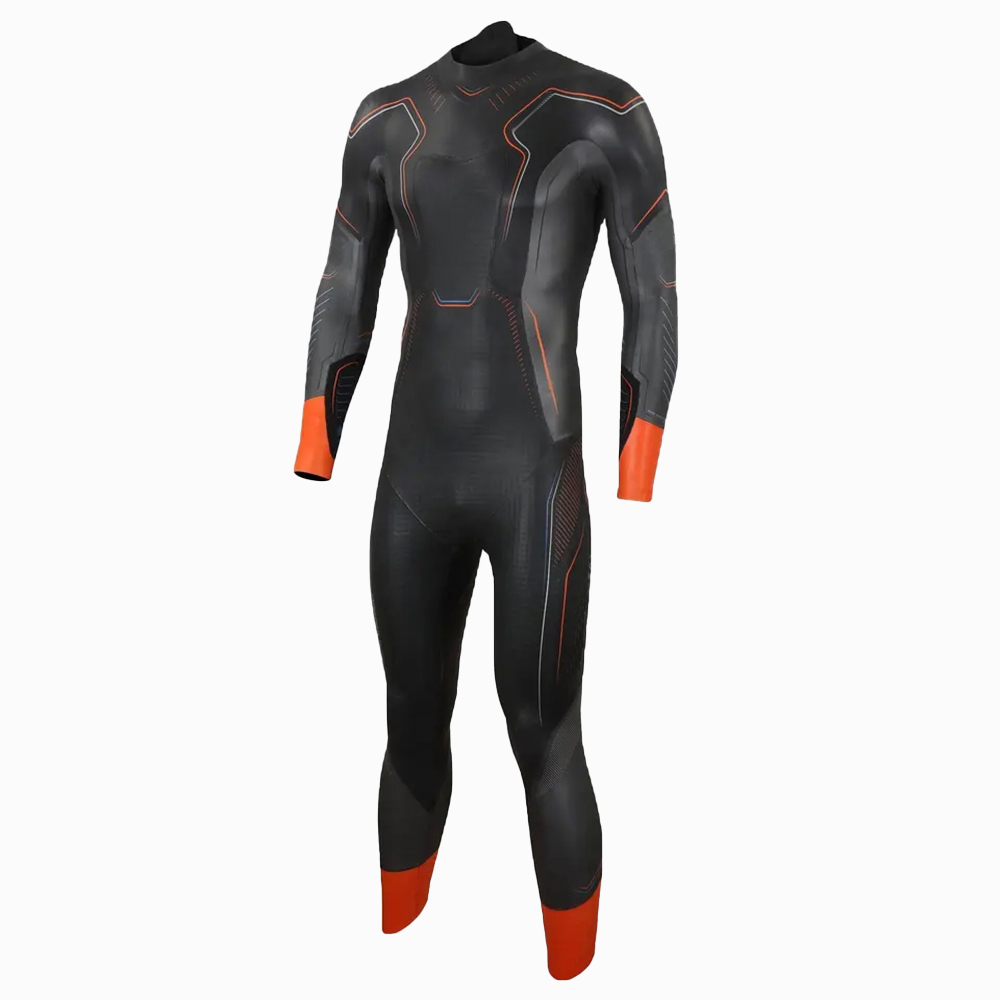
2. Innovations in Durability and Fit
2.1 High-Density Knitted Base Fabric
Material Properties: Uses fine-denier polyester and high-elasticity yarns knitted on high-gauge machines to create a smooth, dense, Velcro-resistant base fabric.
Manufacturing Requirement: Industrial circular knitting machines (typically 18-22 gauge) are needed for fabric consistency.
Application: This base fabric is then laminated with neoprene or other foams to form the final wetsuit material.
DIY Feasibility: Low. Professional knitting equipment is the main barrier, but purchasing existing high-performance fabrics for modification is possible.
2.2 Superhydrophobic Fabric Treatment: Reducing Water Absorption & Drag
Technical Principle: Coatings like amino-silicone micro-emulsion create a "lotus leaf effect," significantly reducing fabric water uptake and drag.
Performance Enhancement: Academic research shows treated polyester significantly slows water diffusion, improving a swimmer's freedom of movement.
DIY Feasibility: Medium. Commercial superhydrophobic sprays or coatings are available, but achieving a uniform, durable application on a full suit is challenging.
3. Frontiers of Smart Function Integration
3.1 Energy-Harvesting Smart Textiles
Working Principle: Integrates piezoelectric fibers (converting motion to electricity) and thermoelectric fibers (using body-water temperature difference) into the fabric to power integrated sensors.
Application: A U.S. Navy-supported project aims to develop a multi-layer smart wetsuit with passive insulation and active energy harvesting.
Technical Challenge: Requires seamless integration of energy-generating fibers into the textile matrix with reliable connections.
DIY Feasibility: Very Low. Involves specialized fiber integration and micro-electronics.
4. Practical DIY Feasibility Guide
4.1 Feasibility Level Breakdown
Very Low: Requires professional lab equipment, advanced materials science knowledge, and precision manufacturing.
Low: Needs special materials (e.g., HGMs, professional laminating adhesives) and some equipment investment.
Medium: Achievable with commercial materials/tools but requires skill and experimentation.
High: Can be done with common tools and easily sourced materials.
4.2 Recommended DIY Starting Path
Start with Modification: Purchase a high-quality commercial wetsuit and experiment with adding superhydrophobic coatings or improving seals.
Material Experimentation: Test different lamination materials and sealing techniques on a small scale.
Function Integration: Attempt to integrate simple sensors (e.g., temperature) into an existing suit.
Community Learning: Join professional diving forums or DIY dive gear communities for practical insights.
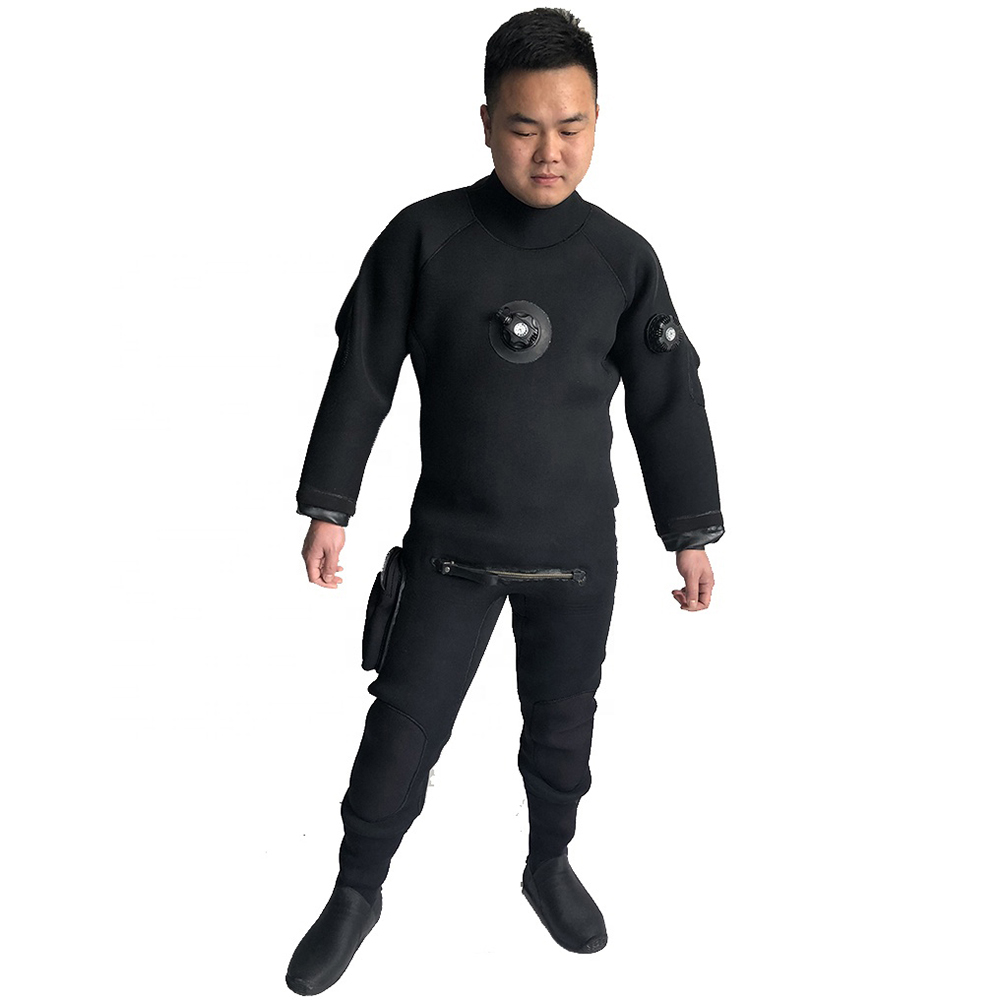
5. High-Tech Wetsuit FAQs
5.1 What technologies are used in the most advanced commercial high-tech wetsuits today?
Current high-end commercial wetsuits are beginning to incorporate:
Graphene-enhanced neoprene (for improved thermal conductivity)
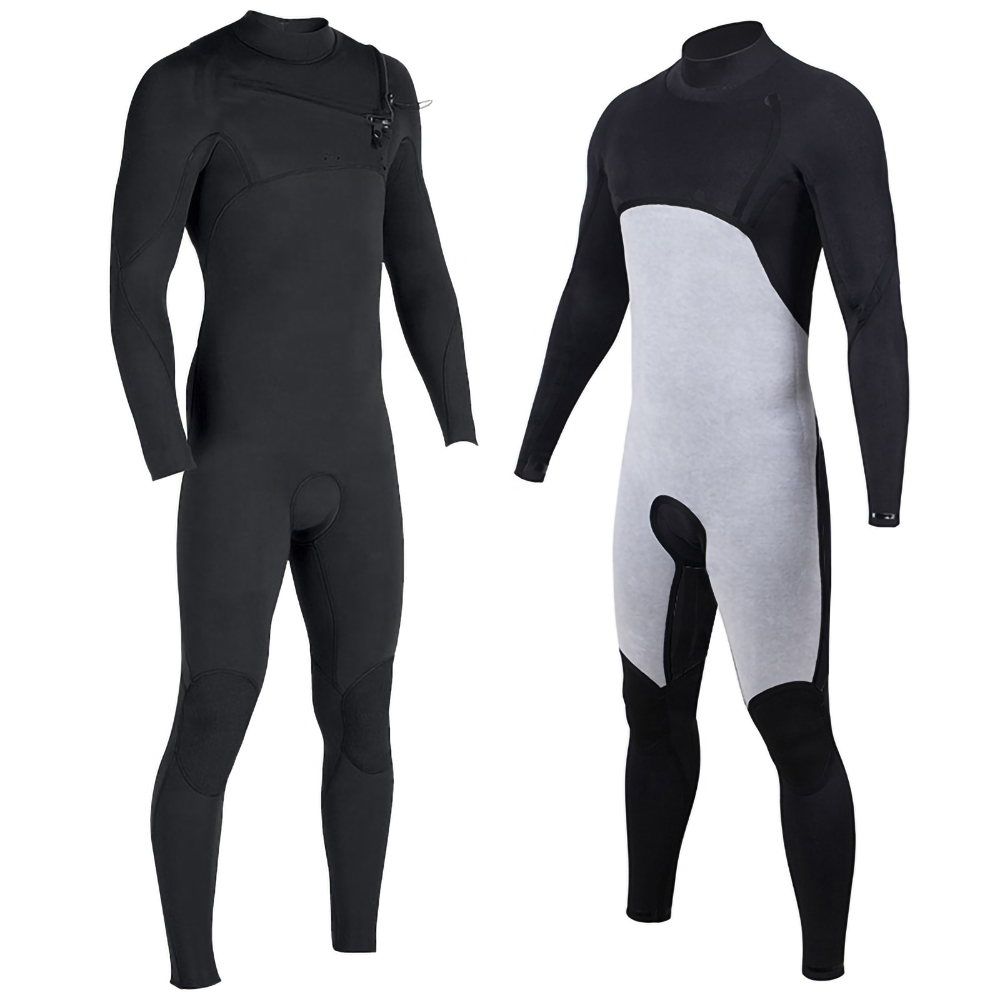
Laser-cut seamless stitching (for better flexibility and seals)
Variable-density foams (adjusting thickness based on body zone needs)
Eco-friendly materials (like "Yulex" natural rubber or limestone neoprene)
5.2 What basic tools are needed to make a complete high-tech wetsuit?
A basic toolkit includes:
Professional wetsuit fabric scissors
Neoprene-specific glue and glue brushes
Seam rollers (for strong bonds)
Zippers and accessories
Custom wetsuit pattern templates
Sewing machine (for stitching elastic panels)
5.3 How can I test the insulation performance of a homemade wetsuit?
Simple testing methods:
Cold Water Bucket Test: Record core temperature changes in controlled water.
Thermal Imaging Camera: Observe heat loss patterns in different areas.
Buoyancy Test: Ensure material water absorption is within an acceptable range.
Practical Dive Test: Start at shallow depths and gradually increase.
5.4 How do these new technologies impact diving safety?
New technologies enhance safety primarily by:
Providing more reliable long-term insulation, reducing hypothermia risk.
Improving flexibility and comfort, decreasing diver fatigue.
Enabling smart sensors to provide real-time data like core temperature.
Offering better durability, reducing the risk of underwater equipment failure.
Future Outlook and Challenges
Developing the next generation of high-tech wetsuits still faces key challenges:
Multifunctional Balance: Optimizing insulation, flexibility, durability, and smart features simultaneously without compromise.
Depth Pressure Adaptation: Creating material systems that maintain thermal performance at extreme depths.
Water Sealing Technology: Improving seam sealing, closure systems (zippers, neck/wrist seals), and fit design to minimize "flushing."
Environmental Sustainability: Developing foam alternatives from renewable resources like limestone to reduce environmental impact.
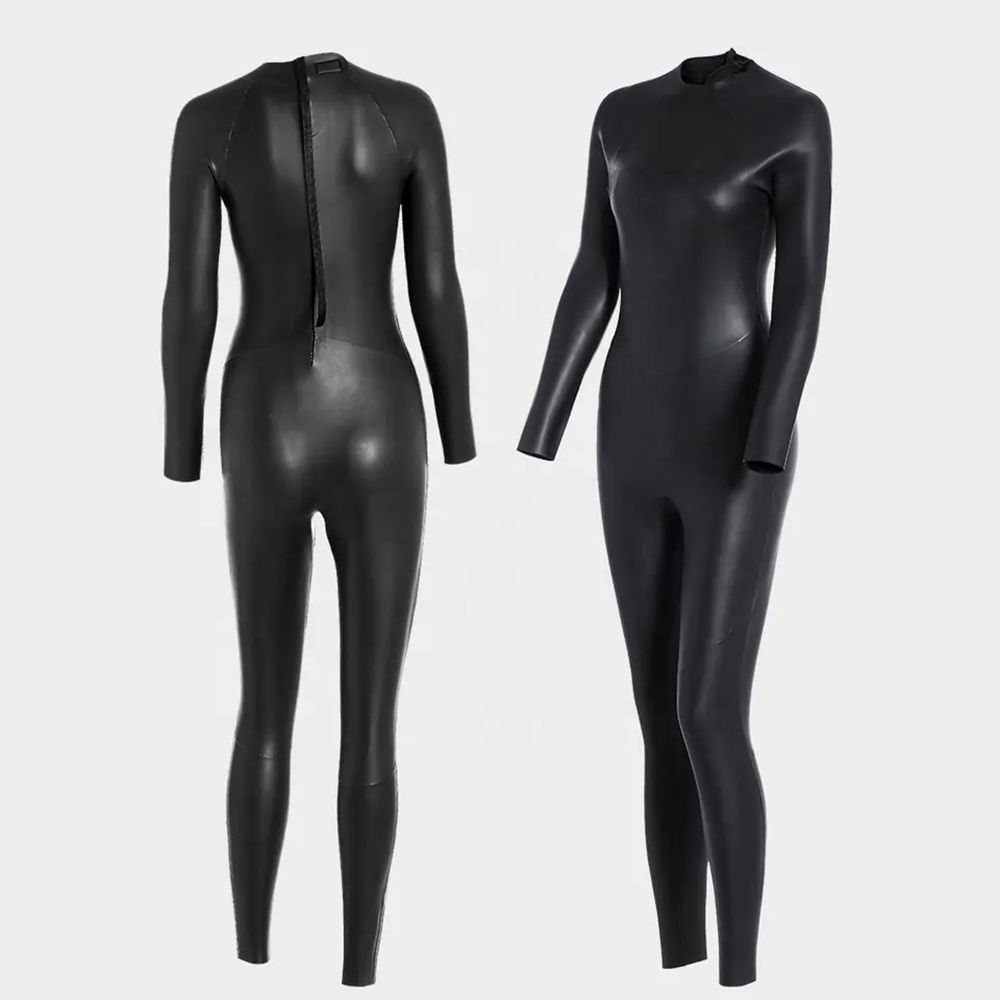
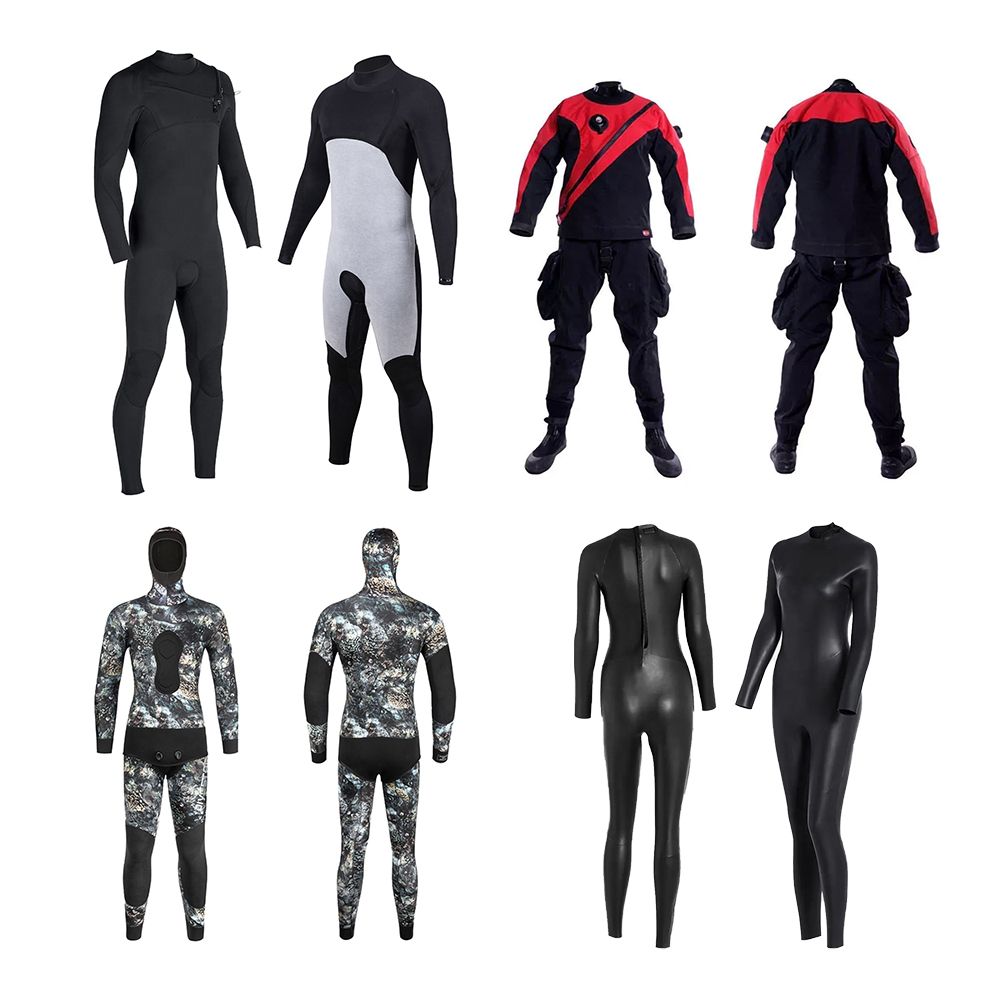
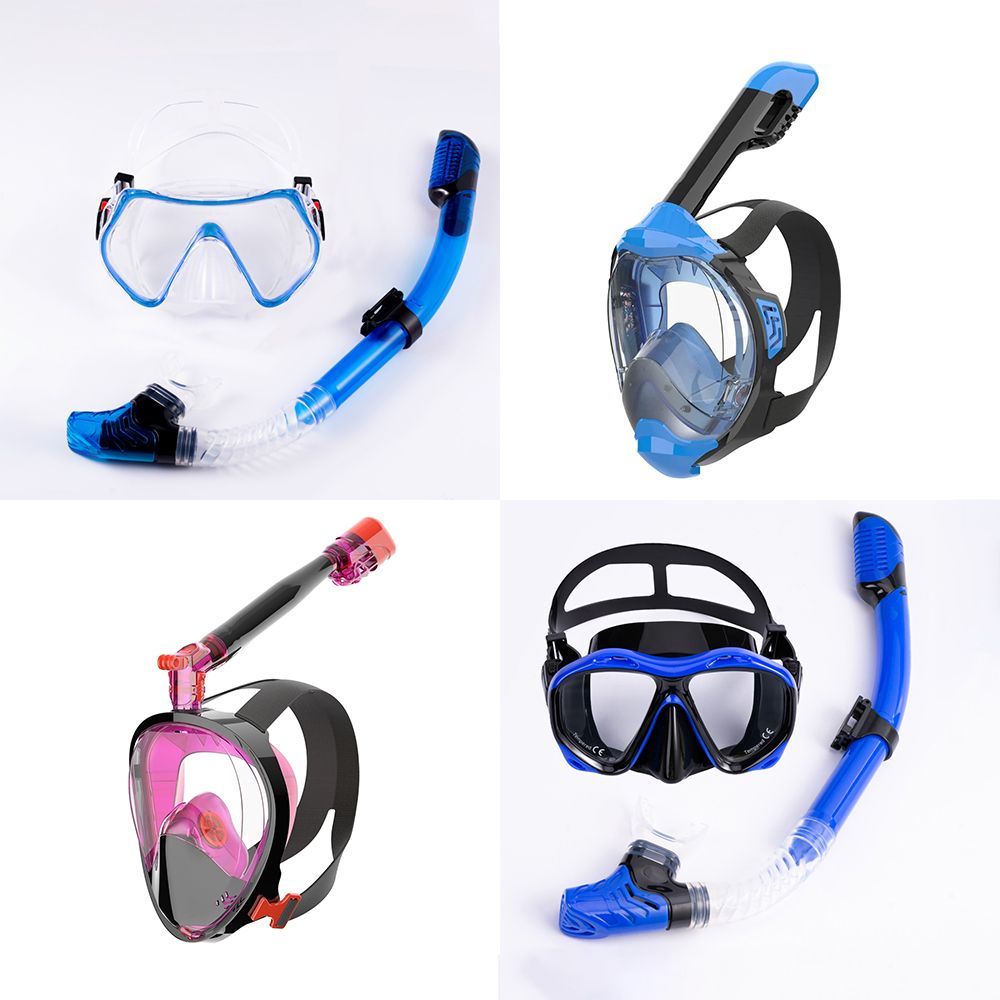
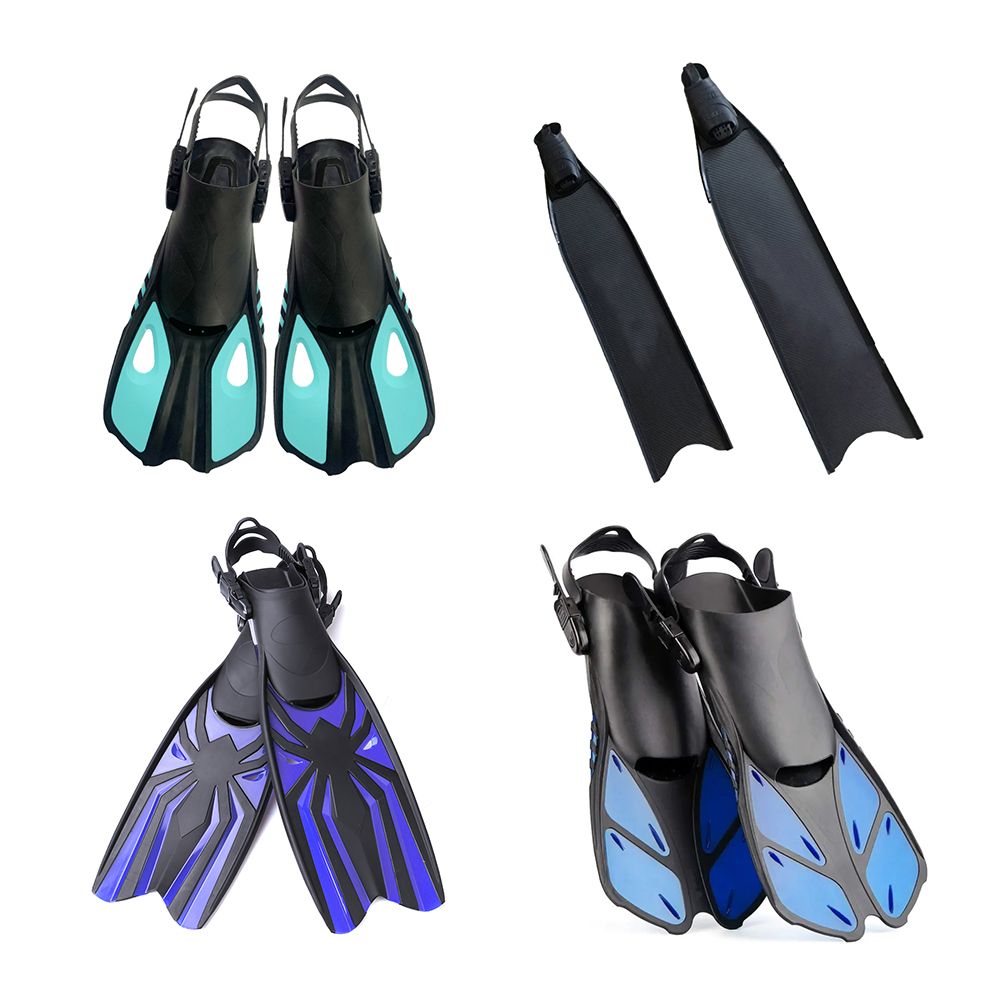
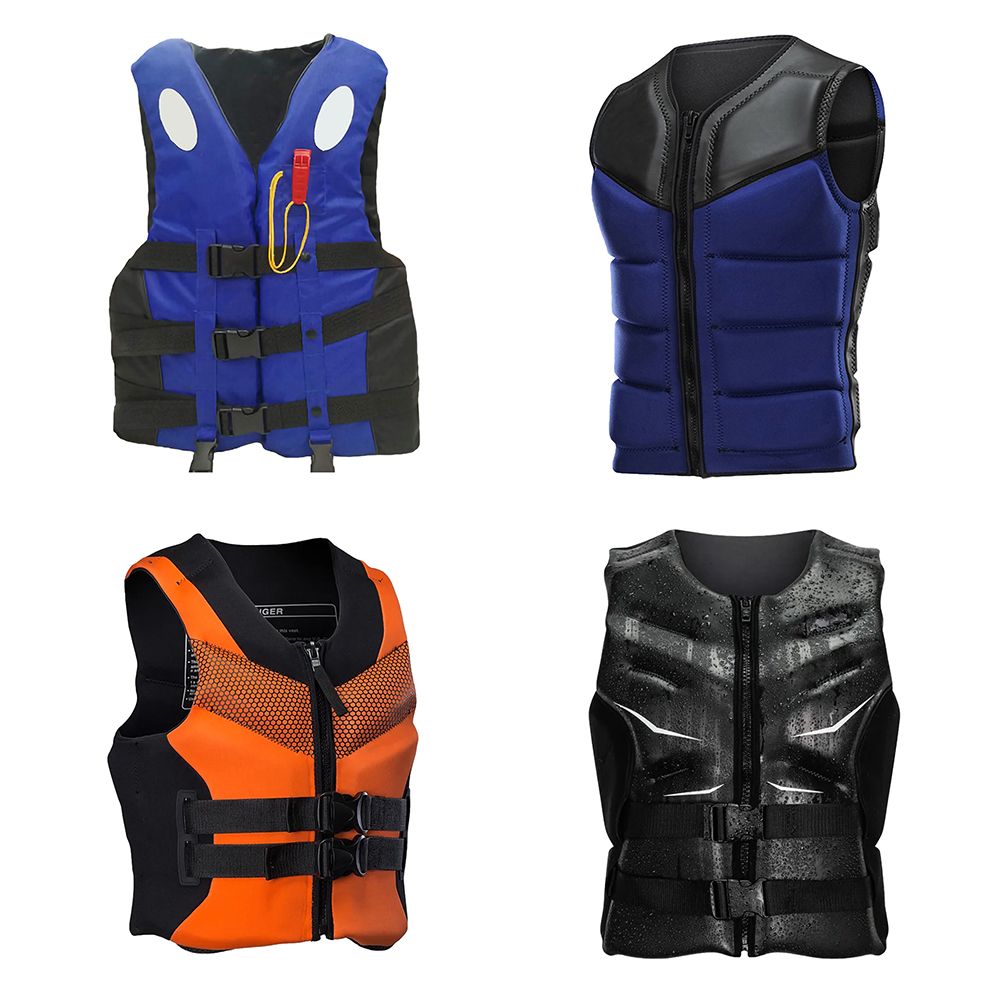
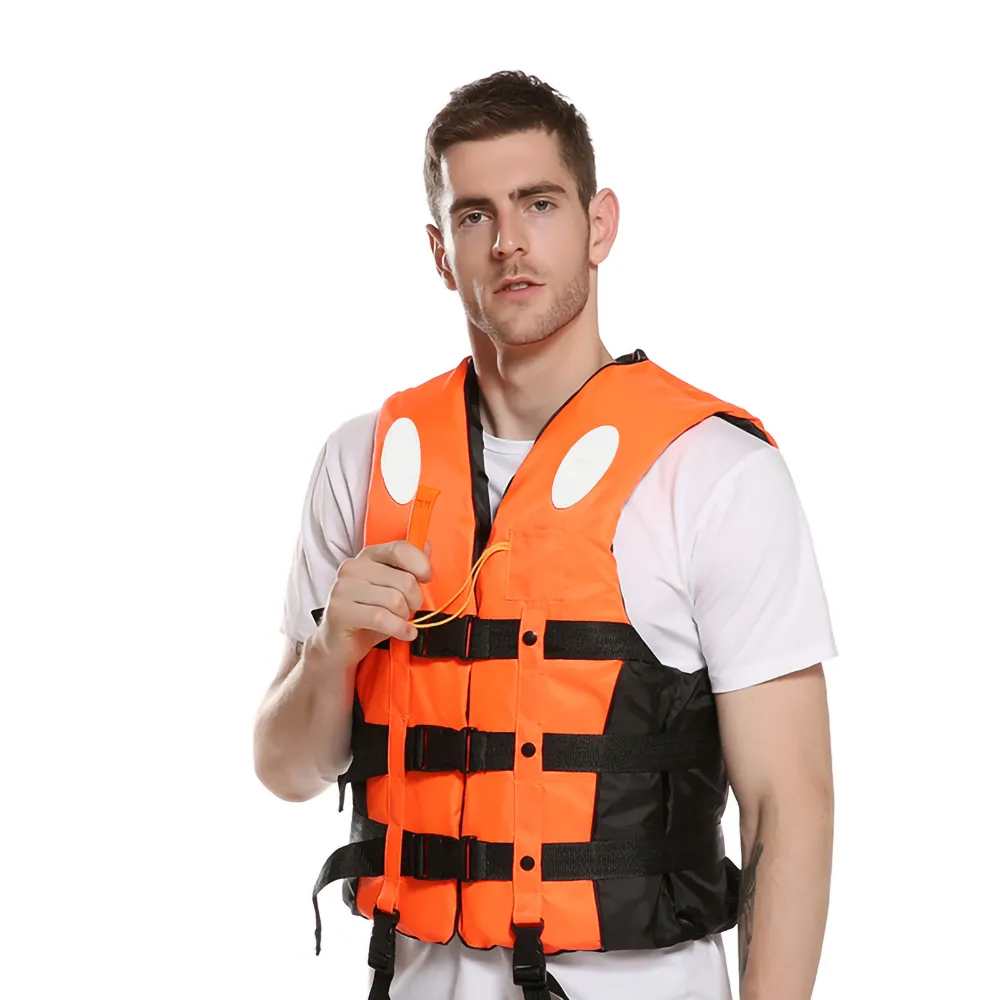
Wetop Sports, as one of the best high end wetsuit manufacturers, it always supplies wetsuit, drysuit, trisuit, diving mask, diving fins, life jacket, … etc. all over the world. Its main business is to assist our customers to build competitive brand with saving their capital and having reliable quality. if you would like to tailor your wetsuits for sale, why don’t you try cooperating with this so professional bespoke wetsuit factory?
Latest News
Best Sellers
Experience in Water
Guarantee on Wetop

Tel.: +86 592 6536 876
E-mail: enquiry@wetopsports.com
Copyright © Xiamen Wetop Sports Co., Ltd. All Rights Reserved | Sitemap
Quick Links
Company
Dear Friend
Thank you for your enquiry. We are looking forward to be your fantastic partner soon.
Due to different email systems, If you don't receive our email in the next 2 working days after submitting,
1) Pls kindly search the spam box in your email first,
2) If also not, Pls kindly let me know by leaving message here again, sending email or other contact info. Such as FB, linkedin.
Page automatically Jump waiting time : 30
Enquiry info sending...