Jan. 28, 2026
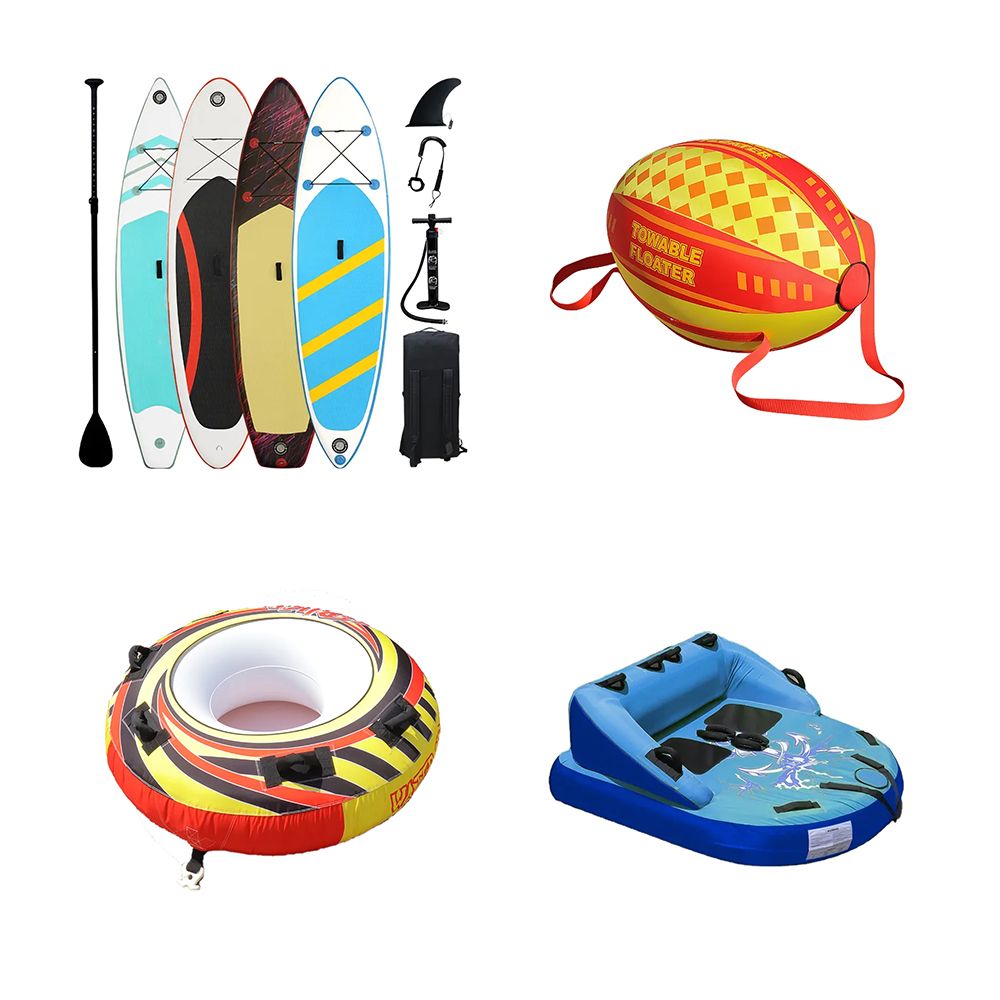
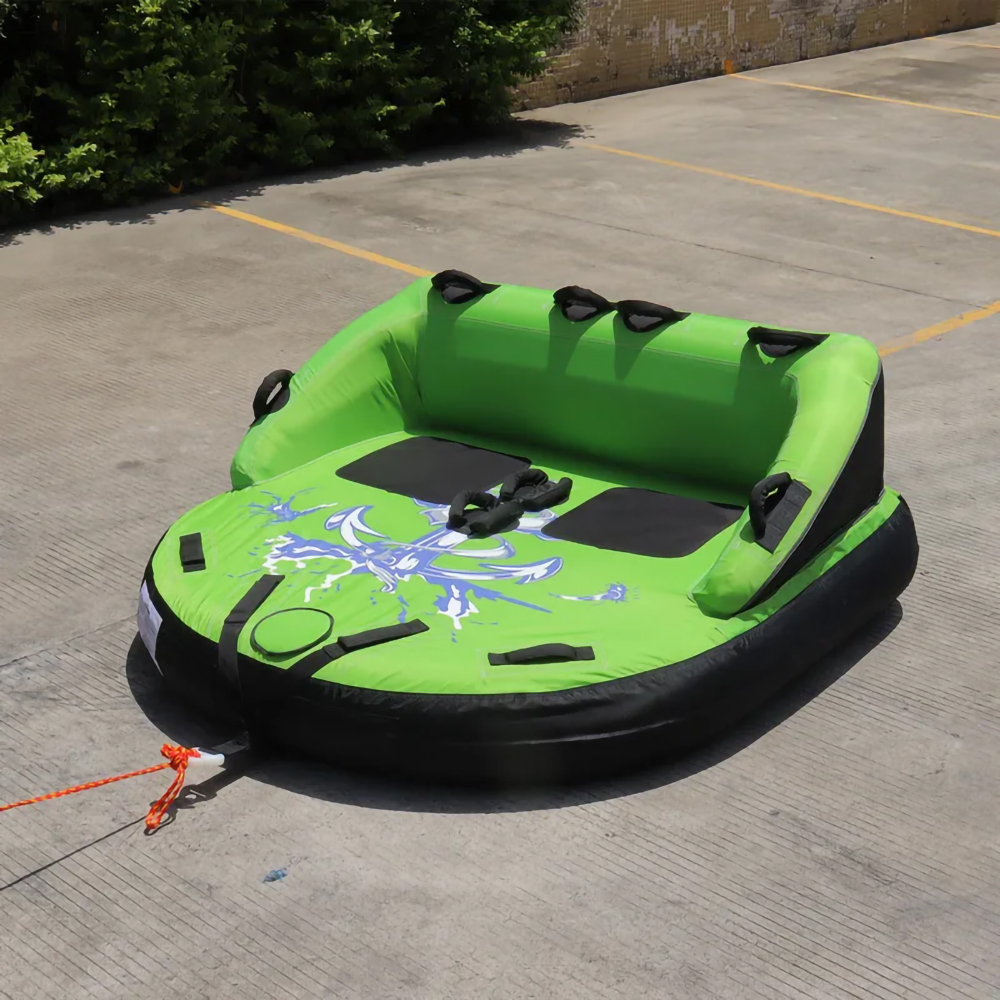
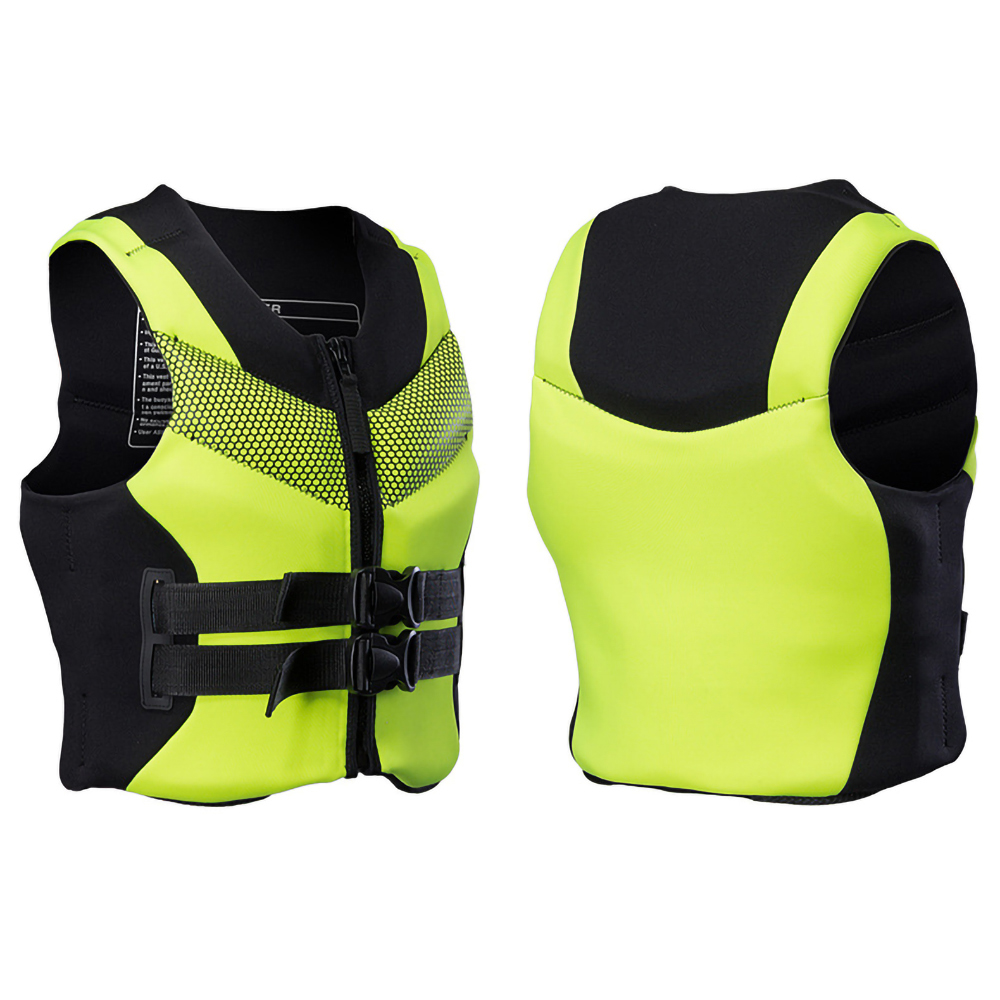
As we know, the inflatable float tubes are look simple. While DIY methods exist, professional inflatable float tubes are engineered for safety, durability, and performance. Their factory production relies on specialized industrial processes that ensure airtight integrity and structural strength at scale.
This guide details the core manufacturing methods, materials, and quality control steps used in professional factories. If you would like to know more, welcome to Wetop Sports knowledge center.
The Two Core Industrial Manufacturing Methods
| Method | Core Process | Key Machinery / Components | Typical Applications |
| High-Frequency (HF) Welding | Uses radio frequency energy to heat and fuse synthetic fabric sheets (like PVC or TPU) along a programmed path, creating a permanent molecular bond. | HF Welding Press, Customized Welding Dies, Automated Cutting Tables, PVC/TPU Coated Fabrics | High-volume production of float tubes, fishing pontoons, inflatable boats, and pool toys. |
| Extrusion Blow Molding | Extrudes a hot plastic tube (a "parison") into a two-part mold, then inflates it with air to form a seamless, hollow plastic shape. | Large Blow Molding Machine, Precision Two-Part Mold, Parison Control System | Seamless buoyancy components, rigid float collars, and complex hollow plastic parts. |
The Factory Production Workflow: From Material to Finished Product
professional production line is a highly coordinated sequence of steps designed for efficiency and quality.
Phase 1: Material Preparation & Cutting
The process begins with engineered materials. For fabric-based products, large rolls of high-tensile, PVC-coated polyester fabric are standard for its excellent strength-to-weight ratio and air retention. This material is loaded onto automated cutting tables, where computer-controlled blades or lasers cut the fabric into precise panel shapes based on digital patterns.
Phase 2: Assembly & Welding (The Critical Step)
Cut fabric panels are moved to the HF welding station. Here, operators assemble the panels and place them between the press plates. A custom-shaped welding die, which defines the seam path, is lowered. The HF press applies heat and pressure, fusing the panels into a single, airtight unit. Advanced presses can simultaneously weld internal structures, such as I-beams or separate air chambers, for added rigidity and safety. This process is faster and creates a far stronger bond than any heat-sealing method available to DIYers.
Phase 3: Component Assembly & Trimming
Once the main shell is welded, the product moves to assembly stations. Here, essential hardware is installed: Boston valves (for easy inflation/deflation), heavy-duty D-rings for anchoring, handles, and accessory patches. Robotic arms are often used for consistent application. Simultaneously, any excess "flash" material from the welding process is trimmed off for a clean finish.
Phase 4: Rigorous Quality Control & Testing
This is the non-negotiable phase that separates factory production from DIY. 100% of units undergo pressure testing. Each float tube is inflated to a pressure significantly higher than its recommended operating pressure and held for a set duration. This "soak test" identifies even minor leaks. Additional tests may include seam peel-strength tests, valve function checks, and material integrity verification.
Key Industrial Considerations for Product Developers
If you are evaluating factory production for a product, understanding these points is crucial:
Tooling Investment (Molds & Dies): The custom welding dies for HF or aluminum molds for blow molding represent the major upfront cost (tooling). This investment is amortized over the production run, making high-volume orders more cost-effective.
Design for Manufacturability (DFM): A factory-ready design must account for the production method. This includes optimal seam placement, draft angles for mold release, and simplifying assembly. Partnering with the factory's engineering team during the design phase is essential.
Material Specifications: Factories use engineered-grade materials with certified properties (e.g., tensile strength, UV resistance, cold crack point). Specifying the correct fabric weight (denier) and coating is critical for the product's performance and lifespan.
Regulatory Compliance & Safety: Commercial float tubes may need to meet specific safety standards (e.g., for personal flotation devices). Factories with experience in this market can guide certification processes.
Conclusion
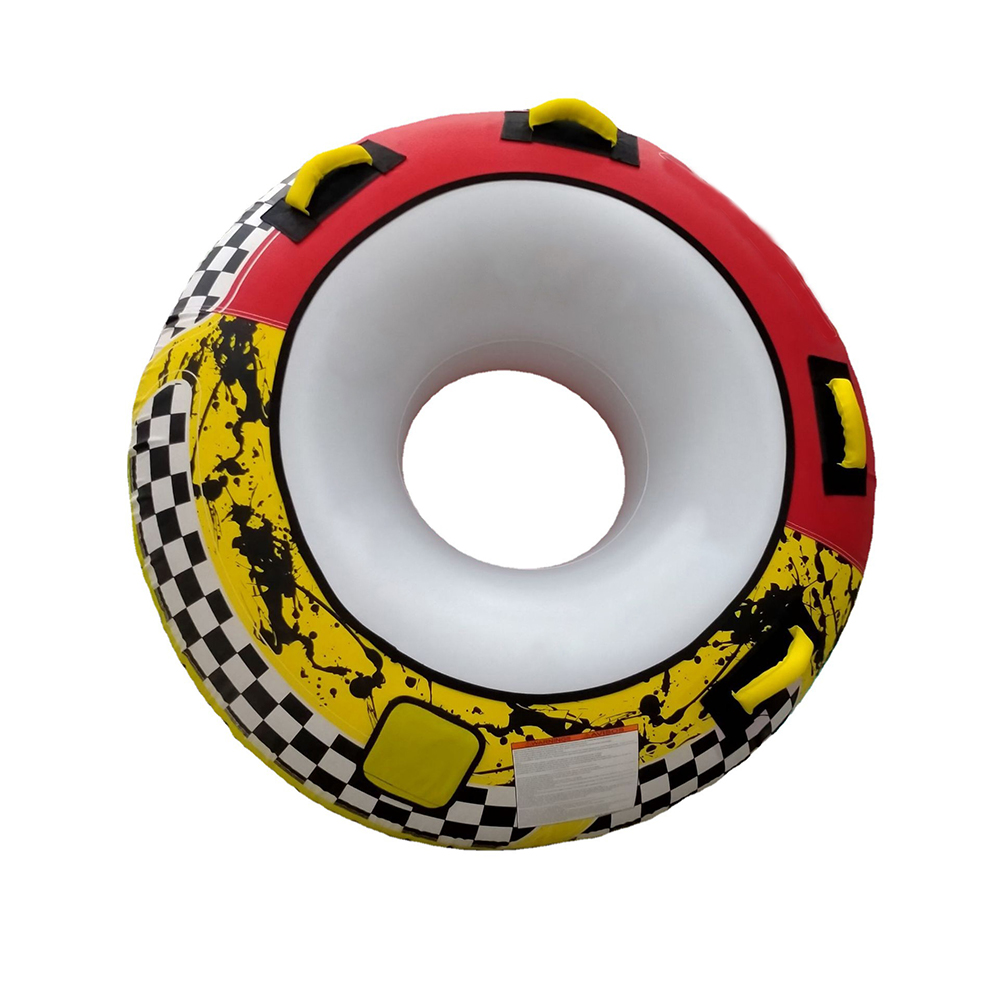
Industrial production of inflatable float tubes is a sophisticated blend of material science, precision engineering, and automated manufacturing. The reliance on High-Frequency Welding and Extrusion Blow Molding, combined with rigorous pressure testing, results in products that are reliable, durable, and safe for consumer use—capabilities far beyond the scope of DIY projects.
For businesses or entrepreneurs, success hinges on finalizing a manufacturable design, creating validated prototypes, and carefully selecting an inflatable float tubes factory partner with proven expertise in inflatable products and a transparent approach to tooling costs and unit pricing.
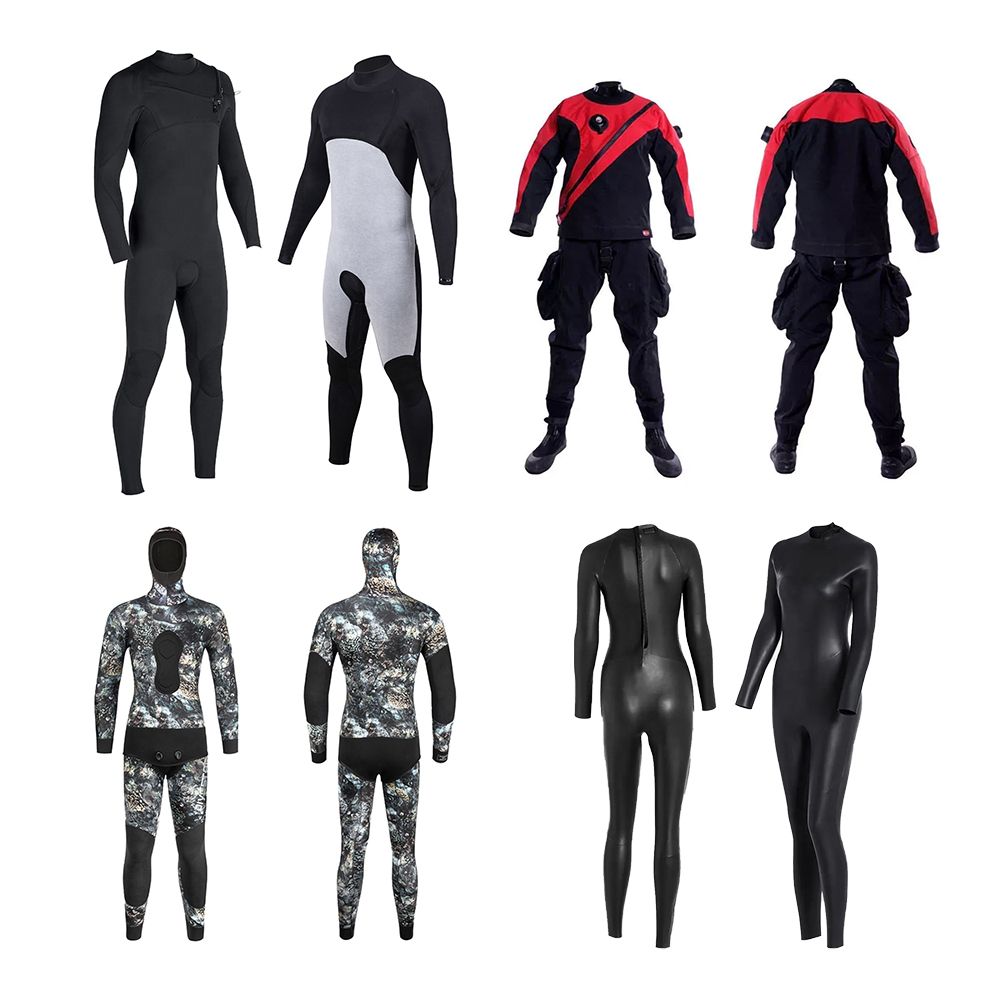
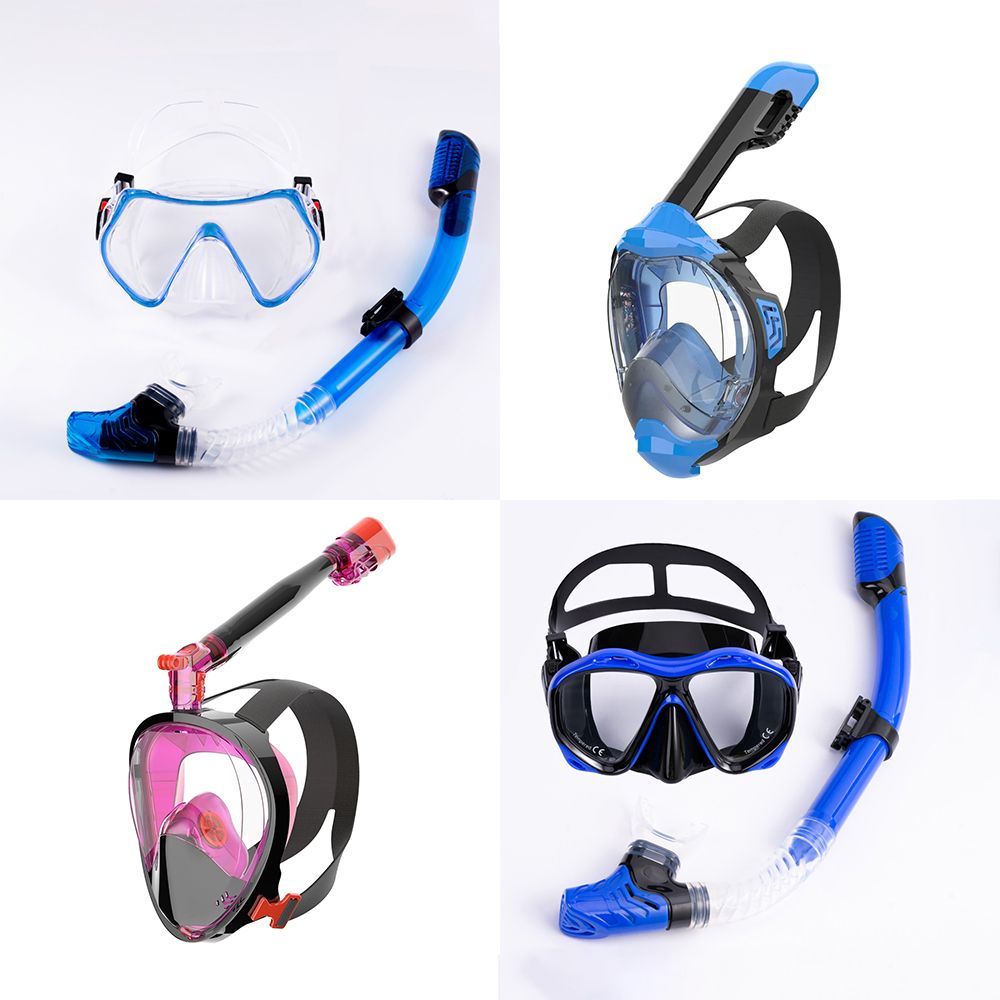
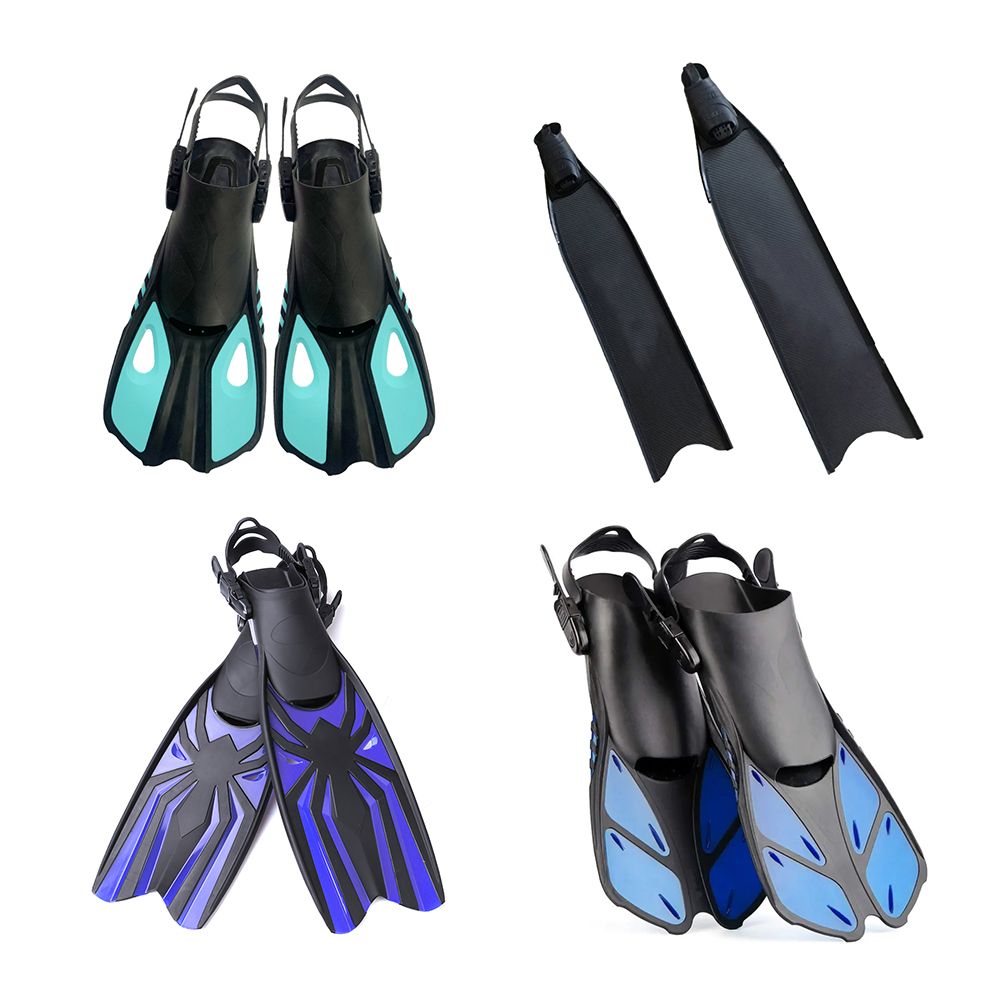
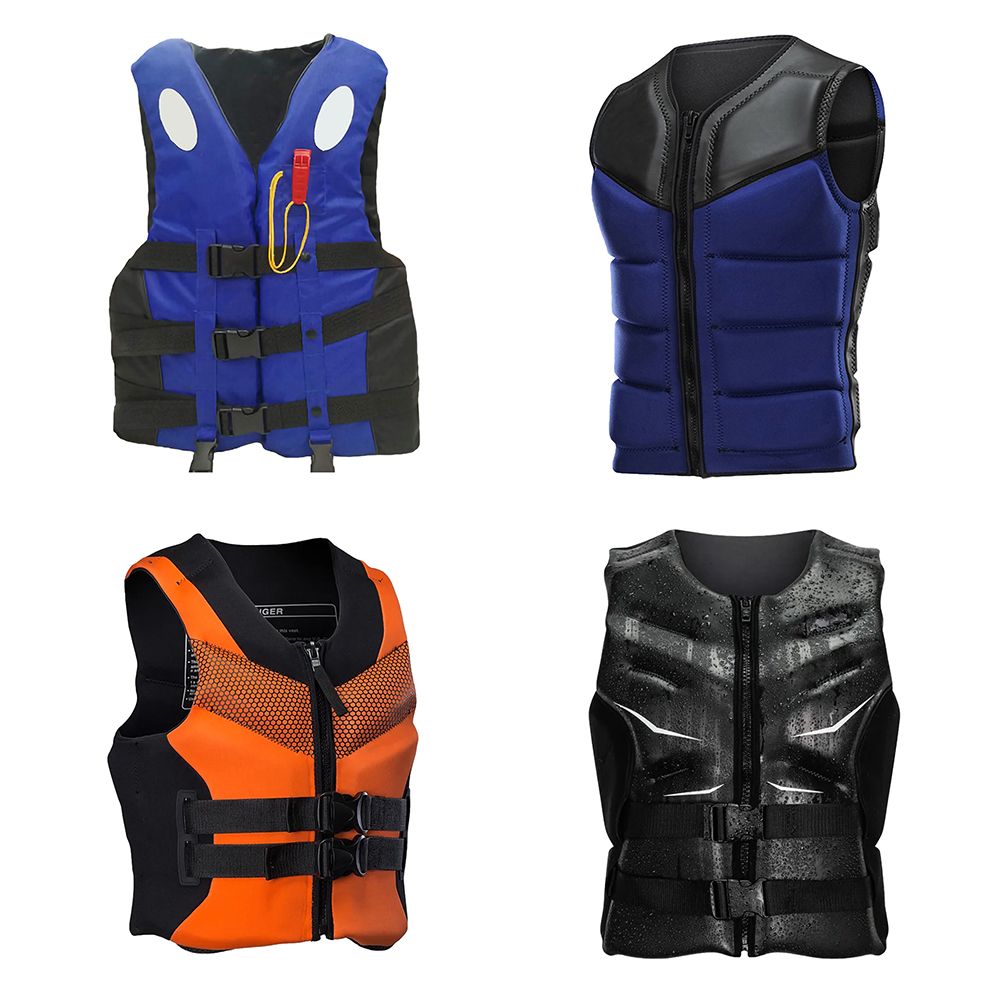
Wetop Sports, as one of the best water sports products manufacturers, it always supplies wetsuit, drysuit, diving mask, diving fins, life jacket, rash guard, … etc. all over the world. Its main business is to assist our customers to build competitive brand with saving their capital and having reliable quality. if you would like to tailor your products for sale or wholesale our products, why don’t you try cooperating with this so professional water sports gear factory?
Latest News
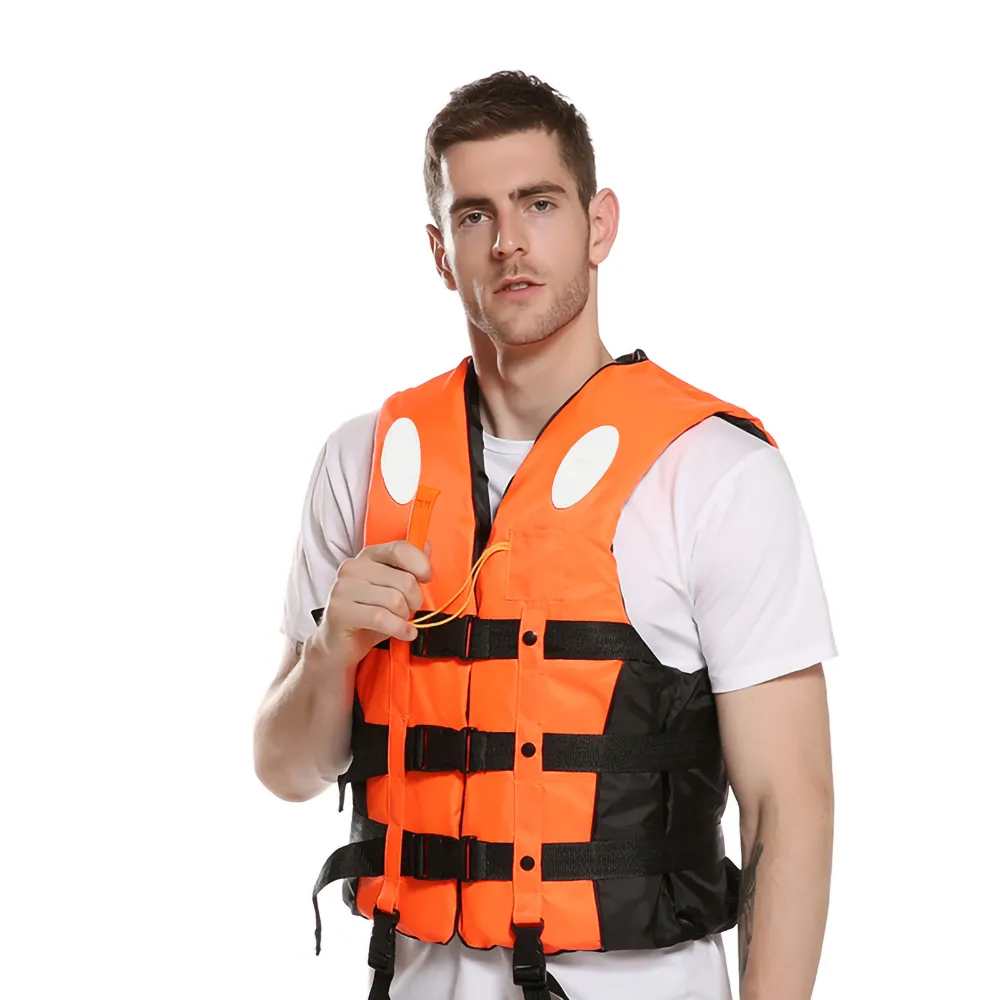
Best Sellers
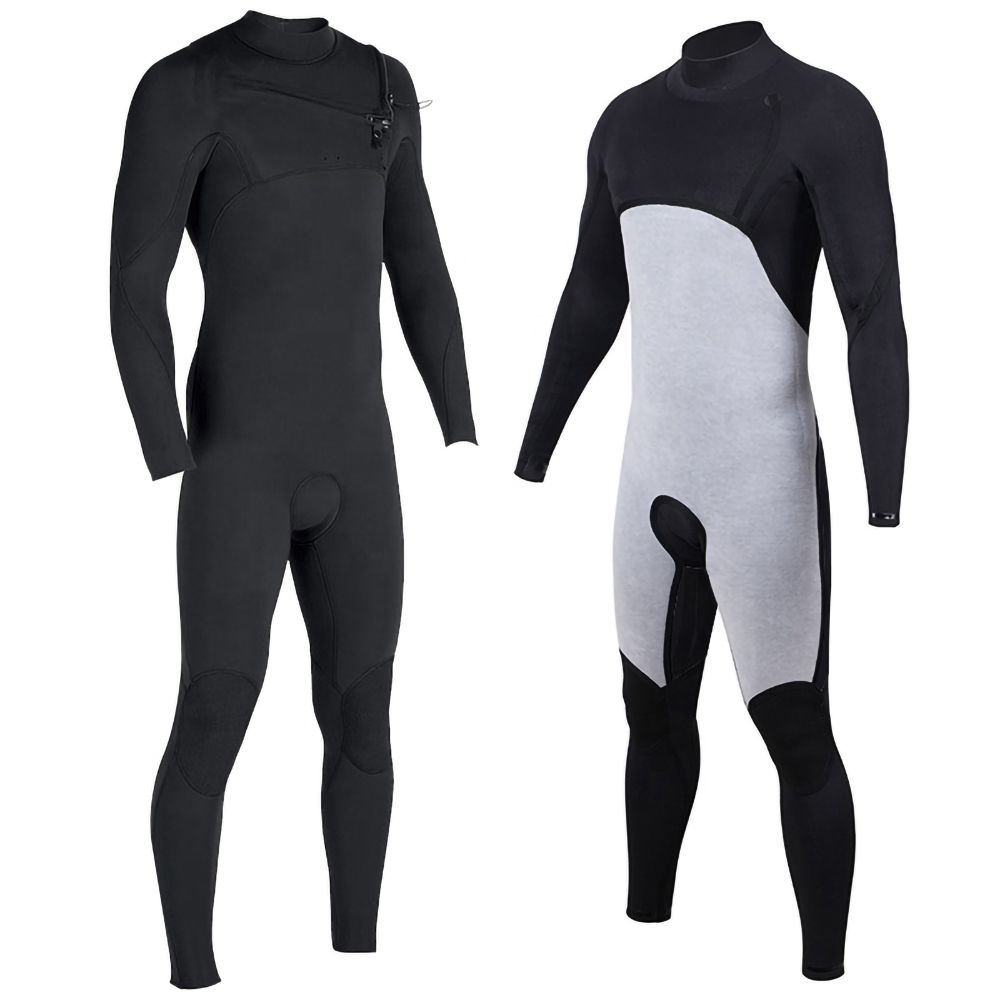
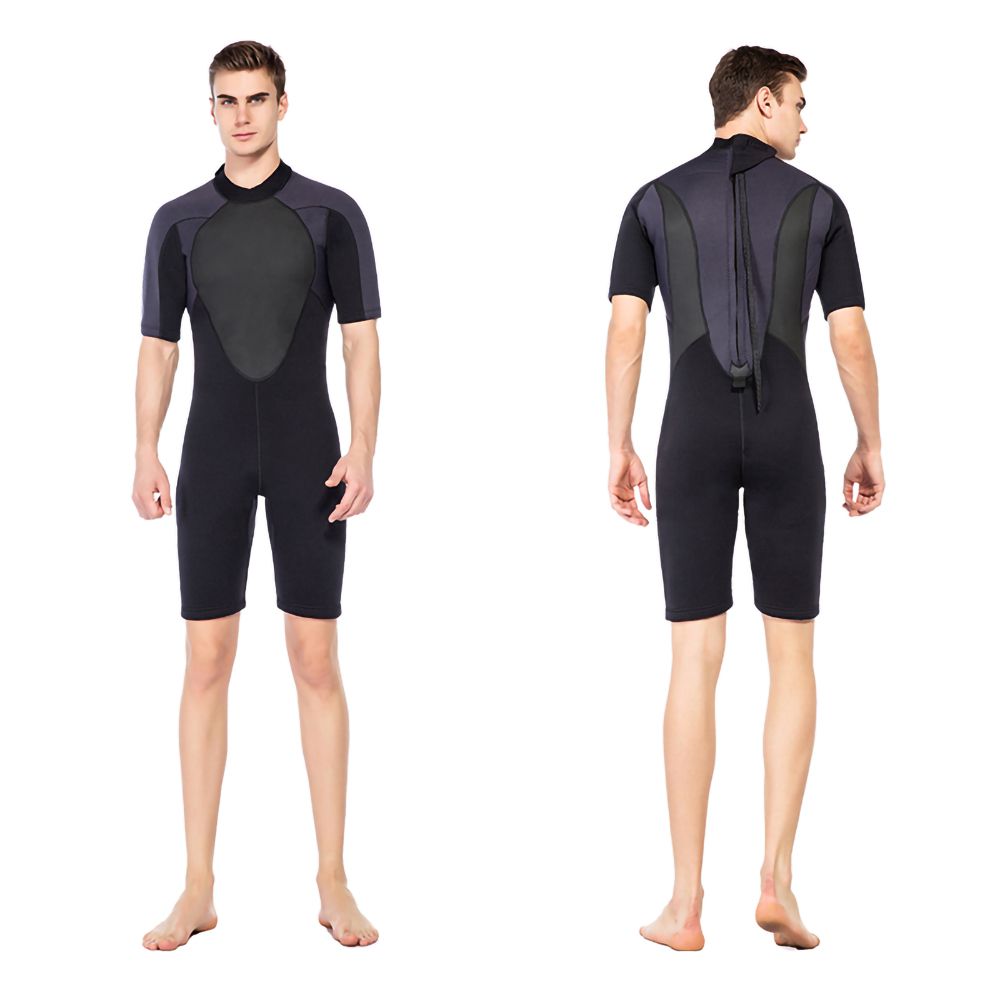
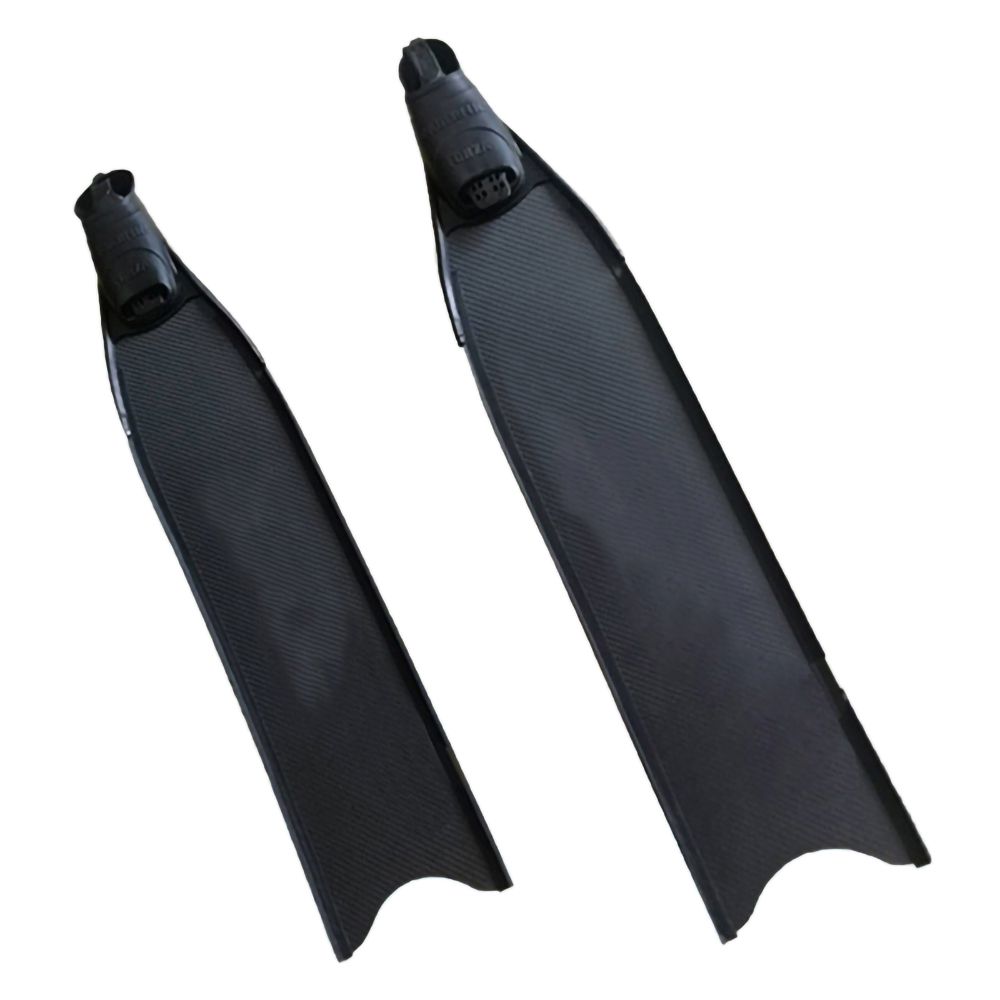
Experience in Water
Guarantee on Wetop

Tel.: +86 592 6536 876
E-mail: enquiry@wetopsports.com
Copyright © Xiamen Wetop Sports Co., Ltd. All Rights Reserved | Sitemap
Quick Links
Company
Dear Friend
Thank you for your enquiry. We are looking forward to be your fantastic partner soon.
Due to different email systems, If you don't receive our email in the next 2 working days after submitting,
1) Pls kindly search the spam box in your email first,
2) If also not, Pls kindly let me know by leaving message here again, sending email or other contact info. Such as FB, linkedin.
Page automatically Jump waiting time : 30
Enquiry info sending...