May. 20, 2026
In the past few years, the Bio tech and AI tech are developing so fast, there are lots of news shown on our social media. So if there are also available to wetsuit industry? Such as:
1) How is biomimicry being used in modern wetsuit design?
2) Can AI-integrated diving suits improve diver safety and performance?
3) What are the latest smart wetsuit technologies and market trends in near future?
4) ……
Today we just talk some more for your info in this article, If you would like to know more, welcome to Wetop Sports knowledge center.
How Is Biomimicry Being Used in Modern Wetsuit Design?
Nature has spent millions of years perfecting solutions to the exact challenges divers face every day—thermal insulation, hydrodynamic drag, and underwater mobility. Today's cutting-edge wetsuit research increasingly looks to biology for answers.
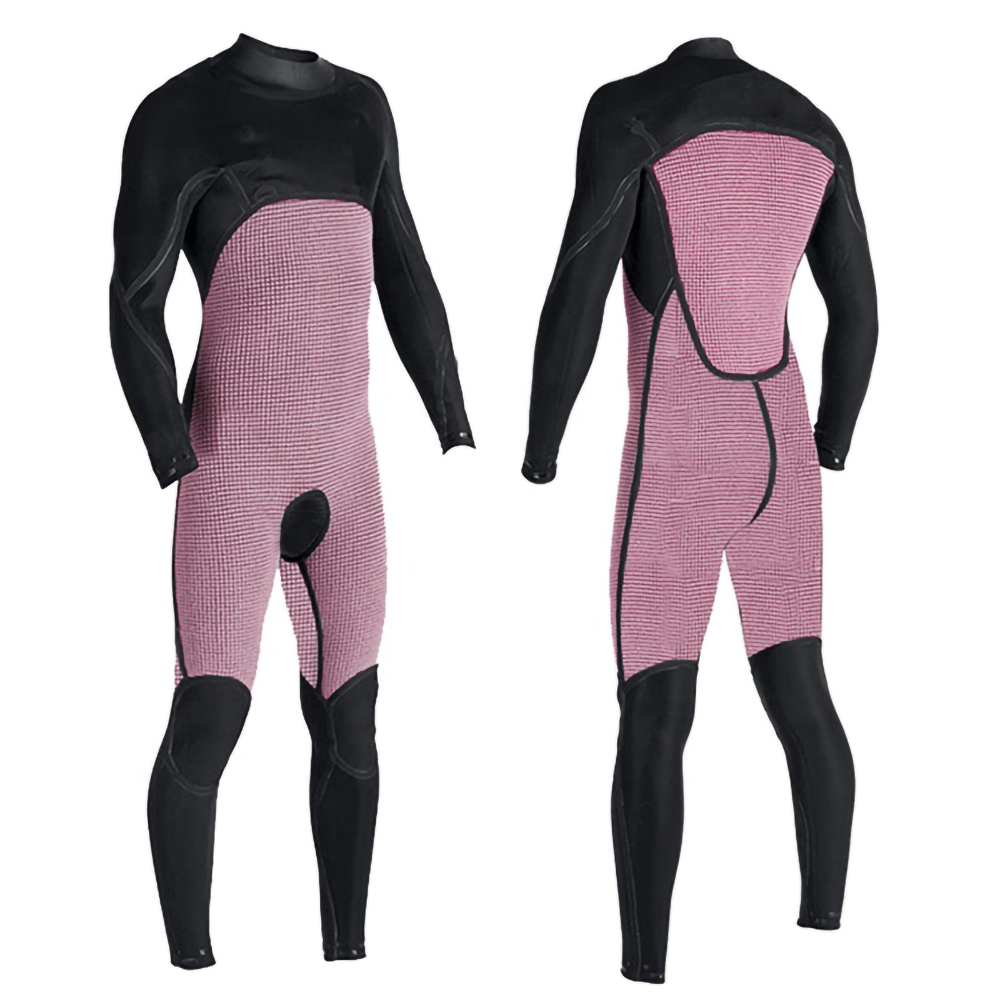
The most influential biomimetic breakthrough in wetsuit technology comes from MIT engineers who took inspiration from semi-aquatic mammals like beavers and sea otters. These animals stay warm in icy water not through thick blubber, but by trapping insulating air pockets within their dense fur. MIT researchers fabricated fur-like rubbery pelts using PDMS (polydimethylsiloxane) and discovered that precisely controlling hair spacing, length, and arrangement could maximize the "dry region" against the skin when submerged. The research, initially motivated by a wetsuit manufacturer seeking better thermal solutions for surfers, demonstrated that a hairy-textured material could potentially replace thick neoprene with a lighter, air-insulated alternative.
Another prominent avenue is sharkskin-inspired surface texturing. Shark denticles—tiny tooth-like scales—create low-pressure zones called leading-edge vortices that simultaneously reduce drag and generate forward thrust. While early commercial attempts like the Speedo Fastskin yielded mixed results, the core principle continues to drive hydrodynamic fabric research, with newer fabrication methods like 3D printing enabling more precise tunability of surface textures.
Beyond insulation and drag reduction, researchers have developed coral-inspired electronic skins (MS-ppy-PDMS e-skin) that maintain superhydrophobic properties and stable electrical signal output both on land and underwater, opening possibilities for motion monitoring integrated directly into dive suits.
Can AI-Integrated Diving Suits Improve Diver Safety?
The convergence of artificial intelligence with diving equipment marks perhaps the most transformative shift in underwater safety. Modern smart diving suits are evolving from passive thermal barriers into active, sensor-laden safety systems.
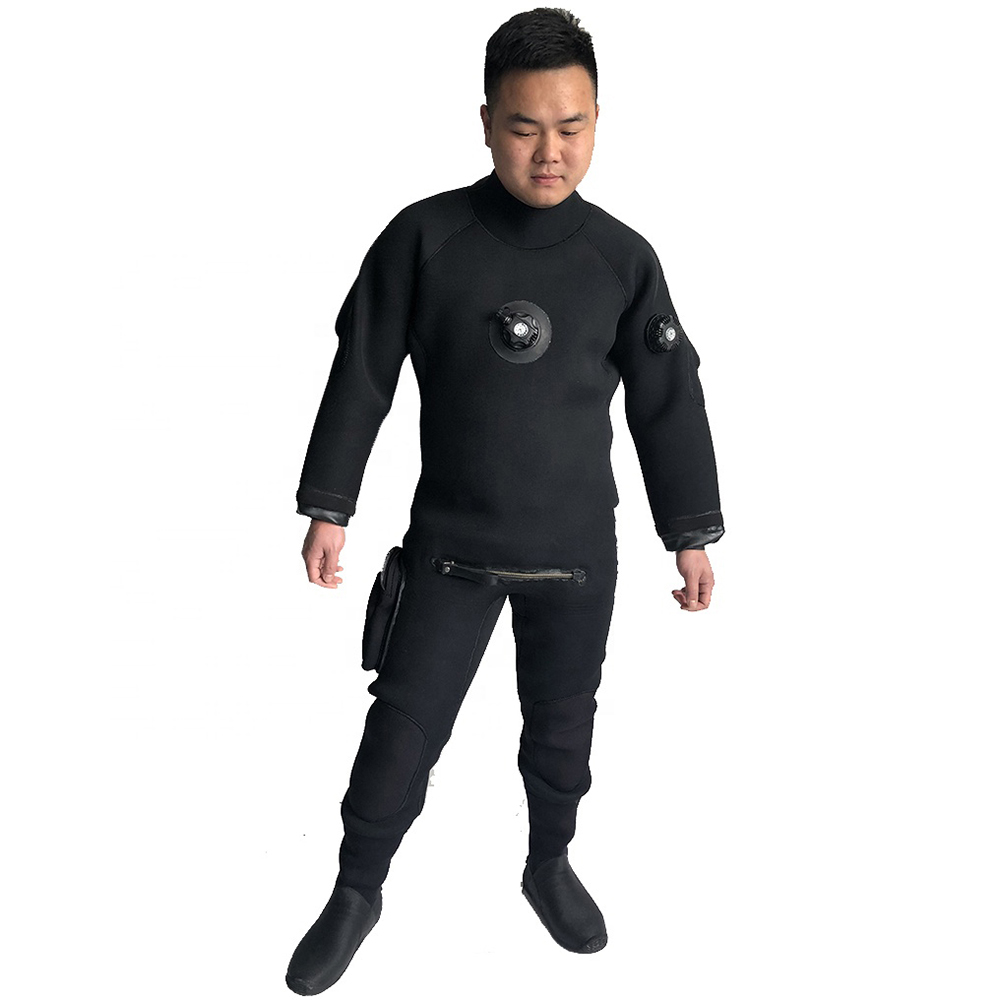
The AQUA HUMAN concept suit, developed in 2026, exemplifies this integration. Its onboard AI system continuously monitors both the diver's physiological condition and the surrounding environment, creating a real-time feedback loop designed to identify risks before they escalate. Embedded light strips across the suit surface function as dynamic visual communication interfaces, signaling status and potential hazards to nearby divers—a critical feature in environments where verbal communication is impossible.
Chinese researchers at the Shenzhen Institutes of Advanced Technology have taken AI integration further with a robot-assisted diving exoskeleton that reduces oxygen consumption by up to 40%. The suit uses sensors that constantly monitor leg motion, feeding data to an Ultra-Robust Adaptive Oscillator algorithm that instantly adapts motor assistance to the diver's kicking pattern—no learning period required. When the diver kicks, the suit adds an extra power boost, significantly reducing physical effort and extending bottom time.
On the physiological monitoring front, next-generation dive suits now incorporate stretchable sensors that track vital signs including heart rate, oxygen levels, and depth, with data relayed to compact wearable devices for real-time feedback. Meanwhile, smart heating vests like the SmartTEX Extreme Diving Heating Vest offer integrated heating fibers delivering constant temperatures up to 45°C with only 45 watts of power consumption, addressing thermal protection through active rather than passive means.
Smart Wetsuit Technologies and Market Trends
The global diving suits market is experiencing steady growth fueled by technological convergence. Valued at approximately USD 657.22 million in 2025, the market is projected to reach USD 895.60 million by 2032, expanding at a CAGR of 4.50%. Driving this growth is the integration of advanced materials, smart textiles, and sustainable manufacturing practices.
Several key technology trends are reshaping the industry:
Sustainable Biomaterials: Speedo's Fastskin 4.0 concept envisions suits made from bio-engineered, genetically modified bacteria that are 80% biodegradable at end-of-life, paired with 3D-printed custom fits tailored to individual body geometry.
Active Thermal Regulation: Beyond passive insulation, the Skin Vessel project at the DLX Design Lab has developed a bodysuit that mimics biological vascular networks—effectively "wearing blood vessels over the body"—to circulate temperature-controlled water for efficient heat exchange, with applications envisioned for extreme underwater environments.
Energy-Harvesting Smart Textiles: Research into fabrics that harvest energy from body-water temperature differentials could someday power integrated sensors without external batteries.
Bioluminescent Integration: Conceptual designs like the GlowSuit by AquaTek use bioluminescence-mimicking fibers to emit gentle illumination, reducing reliance on artificial lights during night dives while preserving natural marine environments.
The industry's direction is unmistakable: diving suits are no longer merely garments. They are becoming intelligent, integrated platforms—merging biomimicry with AI to deliver unprecedented levels of performance, safety, and environmental responsibility beneath the surface.
Conclusion
All in all, everything is going. More and more new techs come for wetsuit industry. We should have more smart wetsuits in the near future. It should let us do the water sports better and better. Especially for scuba diving of science exploring.
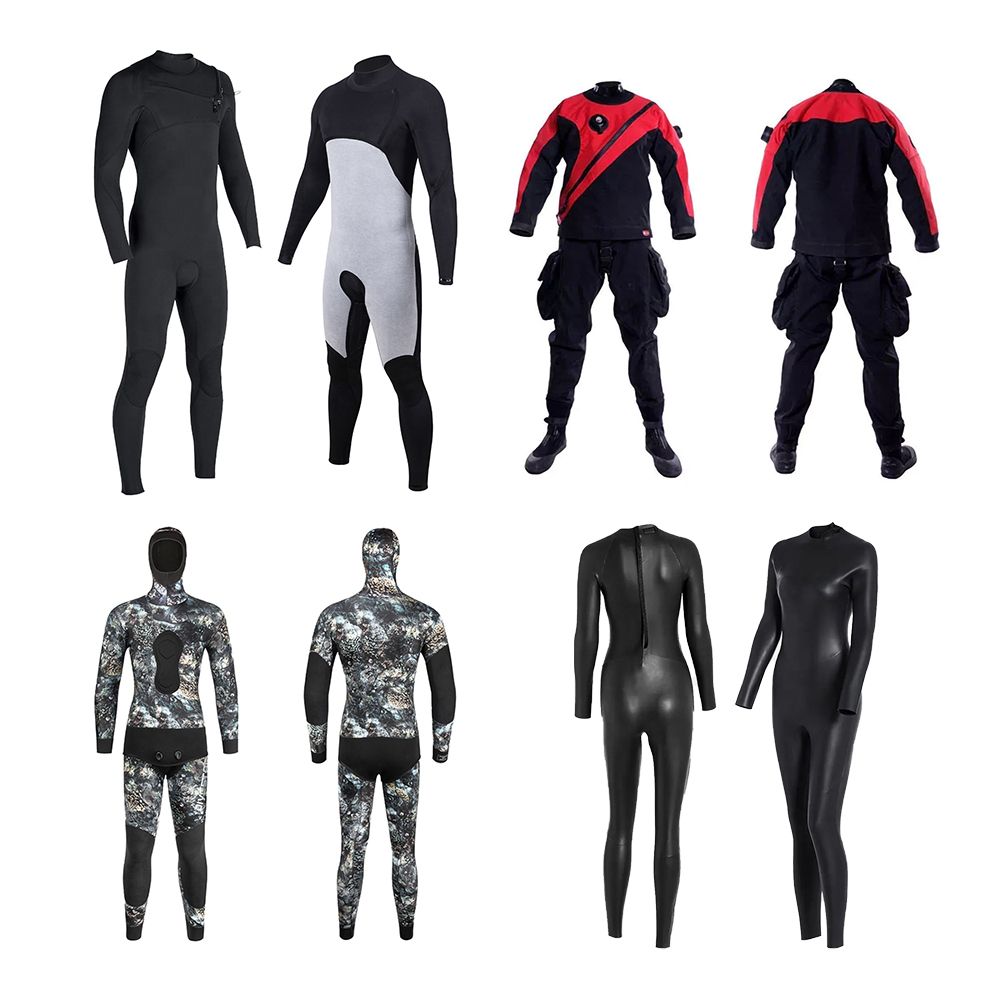
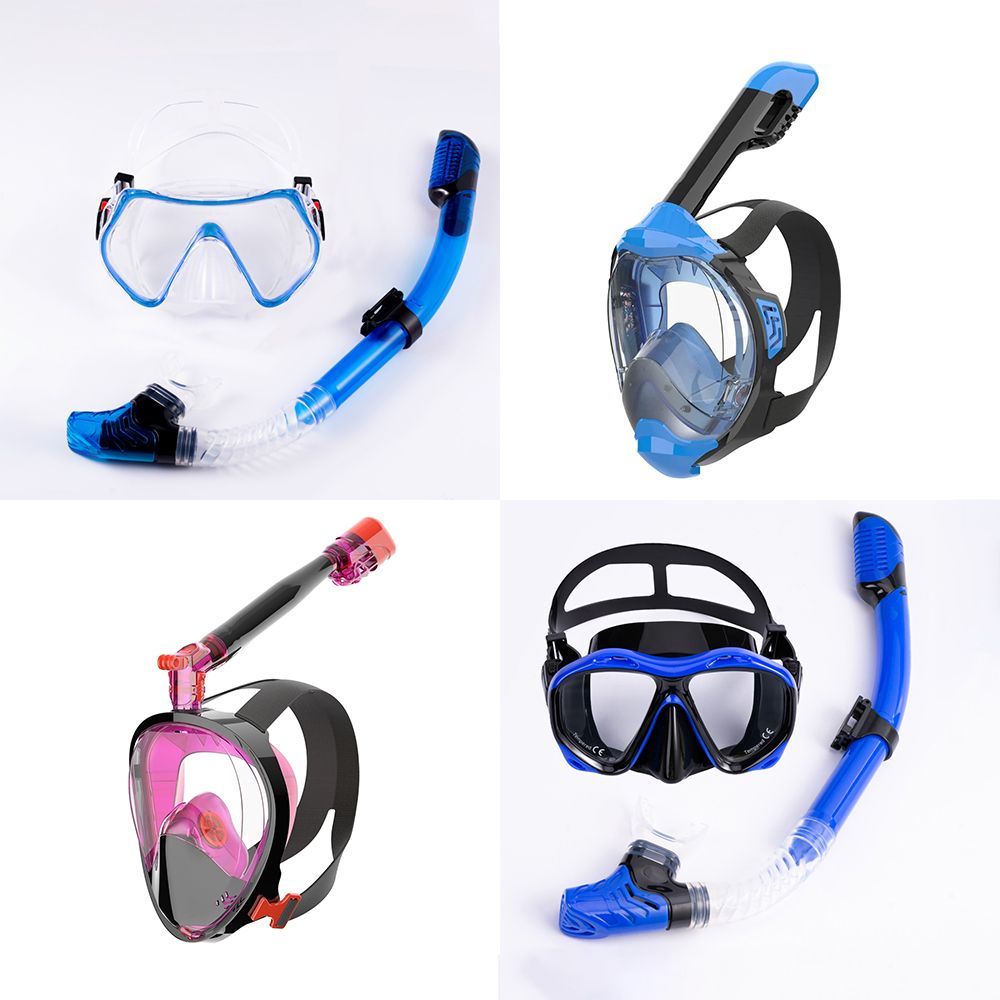
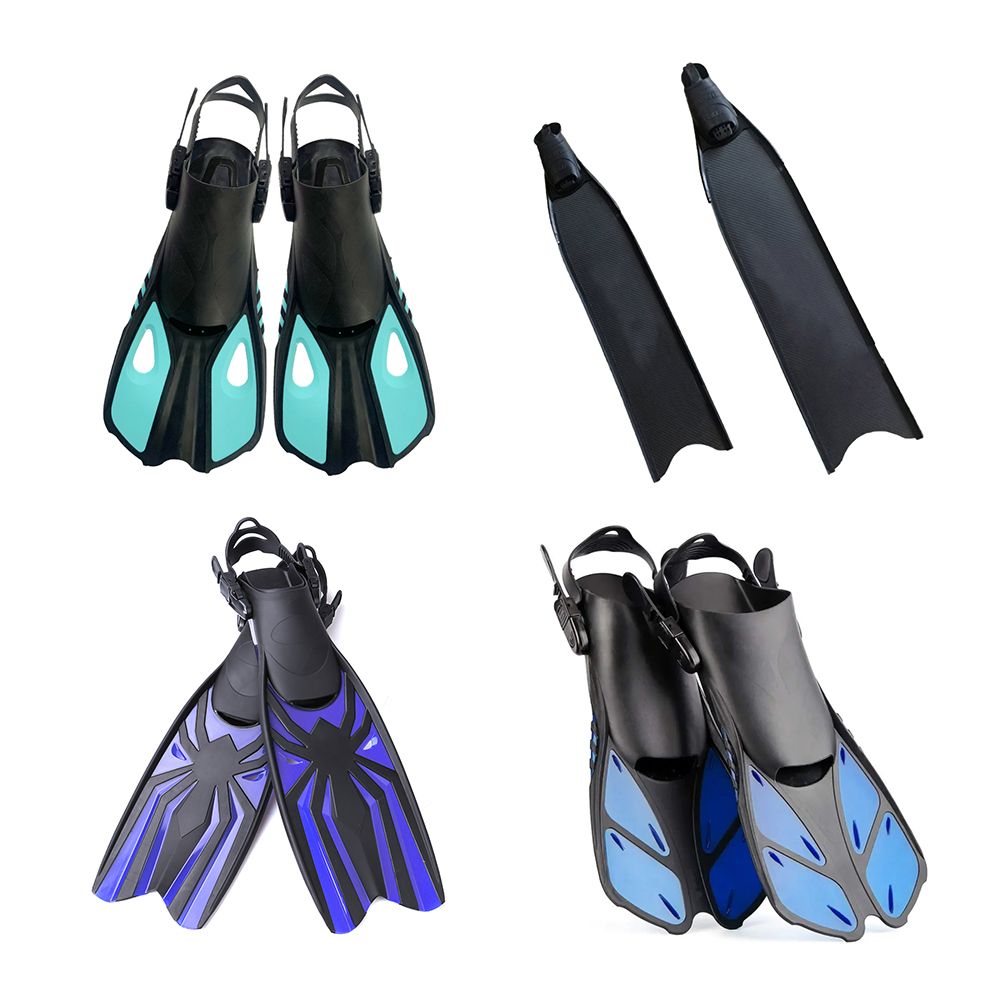
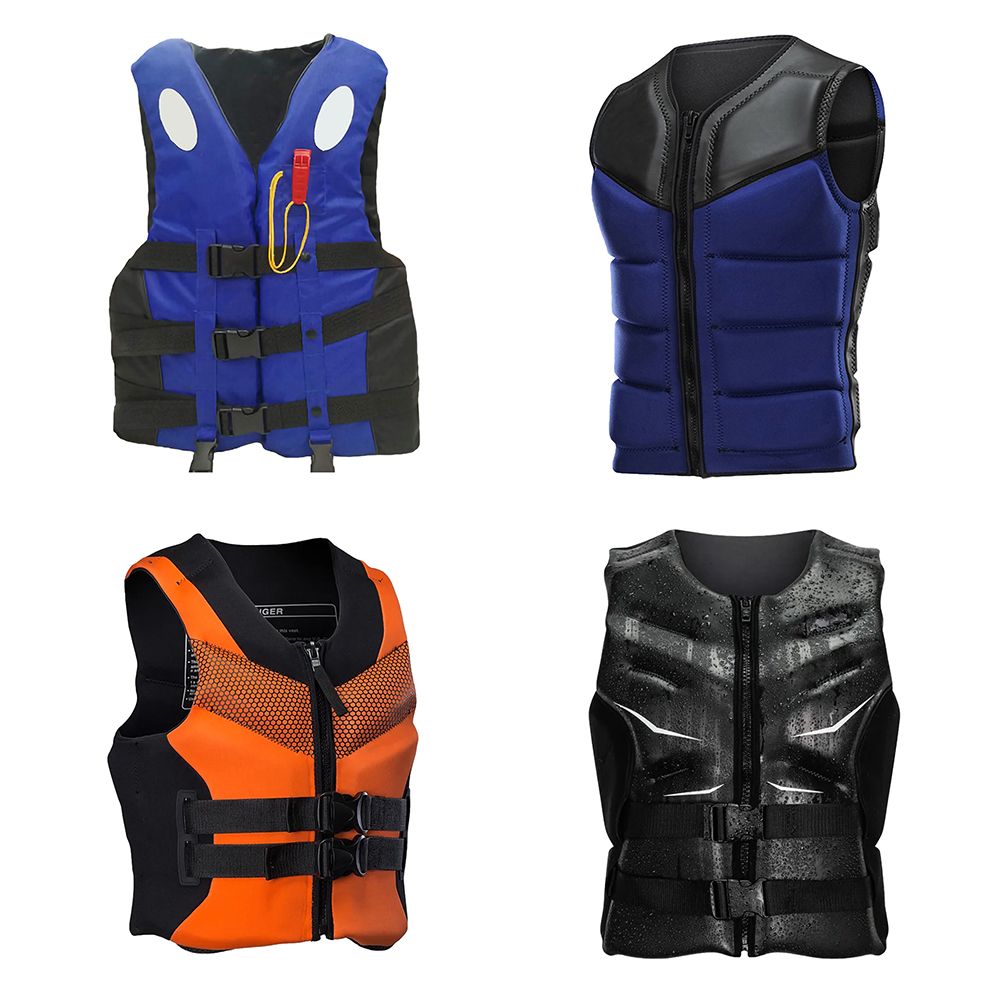
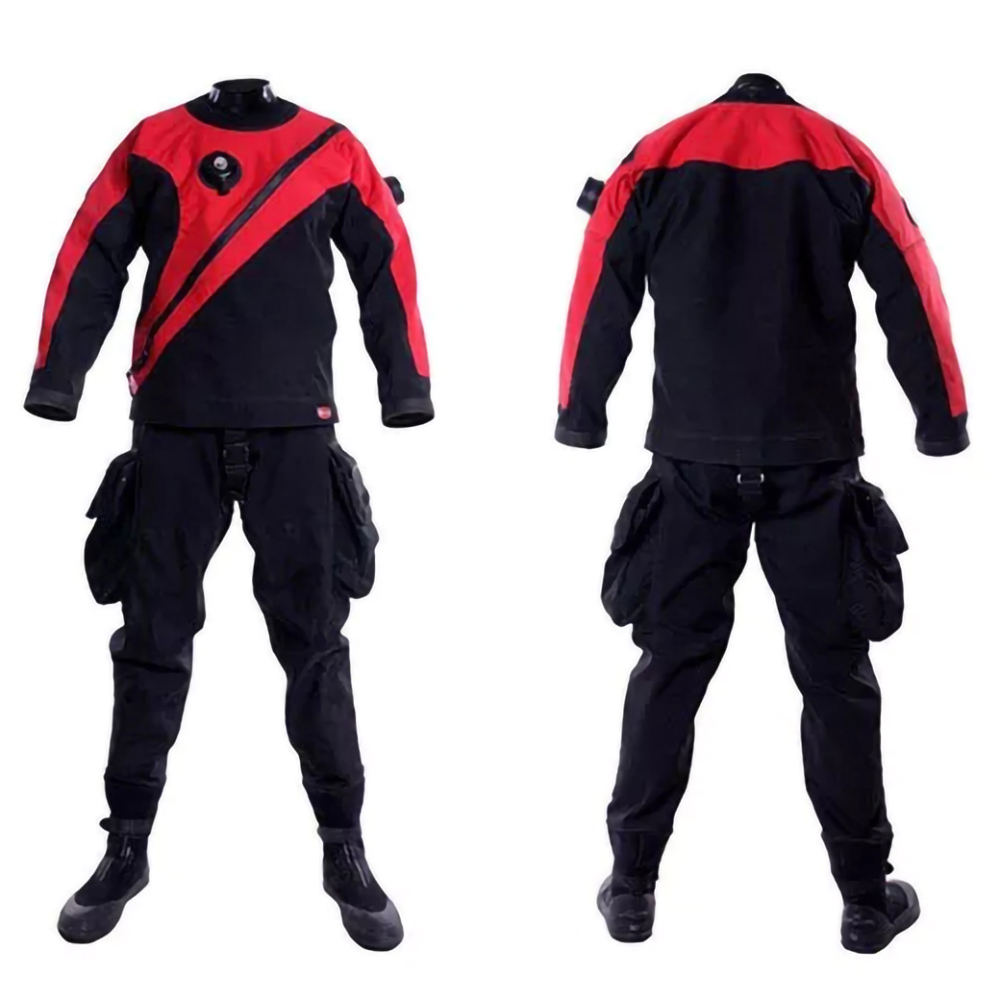
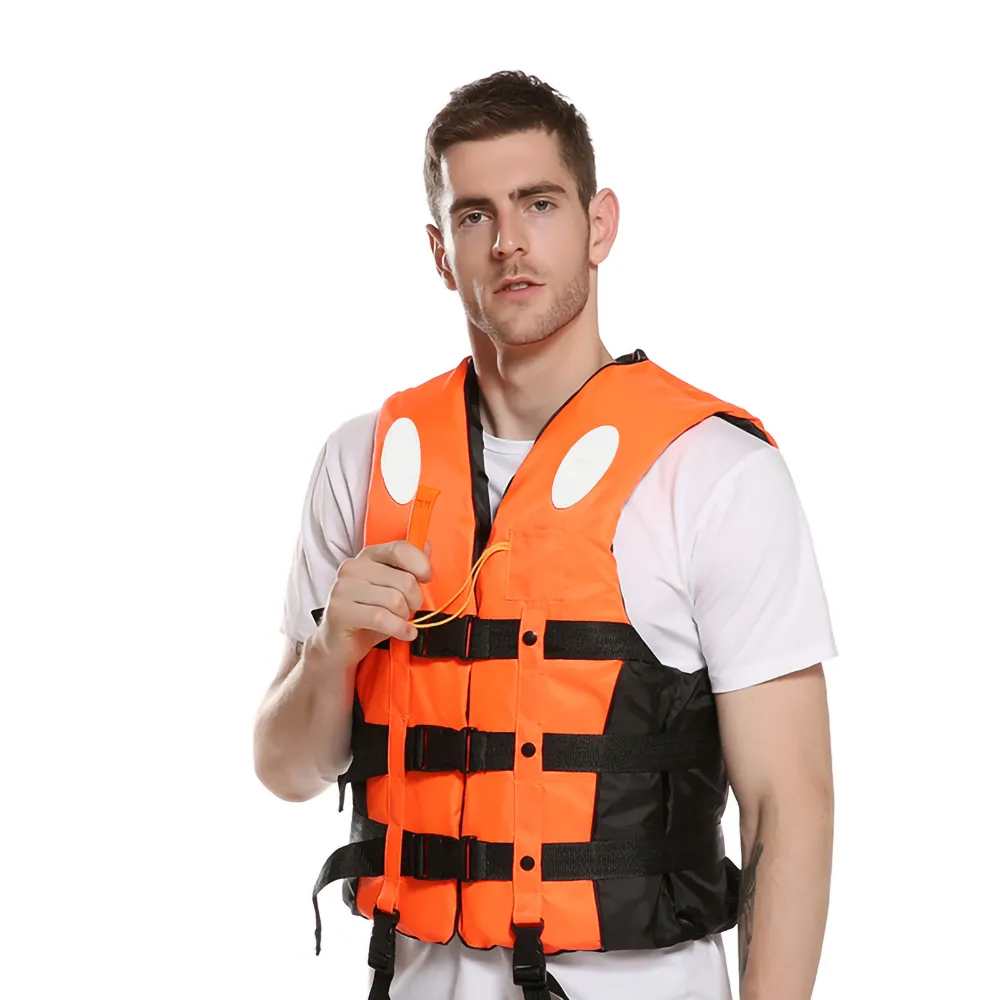
If you would like the wetsuit industry business, welcome to cooperate with Wetop Sports, as one of the best water sports products manufacturers, it always supplies wetsuit, drysuit, diving mask, diving fins, life jacket, rash guard, … etc. all over the world. Its main business is to assist our customers to build competitive brand with saving their capital and having reliable quality. if you would like to tailor your wetsuits for sale, why don’t you try cooperating with this so professional water sports gear factory?
Latest News
Best Sellers
Experience in Water
Guarantee on Wetop

Tel.: +86 592 6536 876
E-mail: enquiry@wetopsports.com
Copyright © Xiamen Wetop Sports Co., Ltd. All Rights Reserved | Sitemap
Quick Links
Company
Dear Friend
Thank you for your enquiry. We are looking forward to be your fantastic partner soon.
Due to different email systems, If you don't receive our email in the next 2 working days after submitting,
1) Pls kindly search the spam box in your email first,
2) If also not, Pls kindly let me know by leaving message here again, sending email or other contact info. Such as FB, linkedin.
Page automatically Jump waiting time : 30
Enquiry info sending...