Mar. 23, 2026
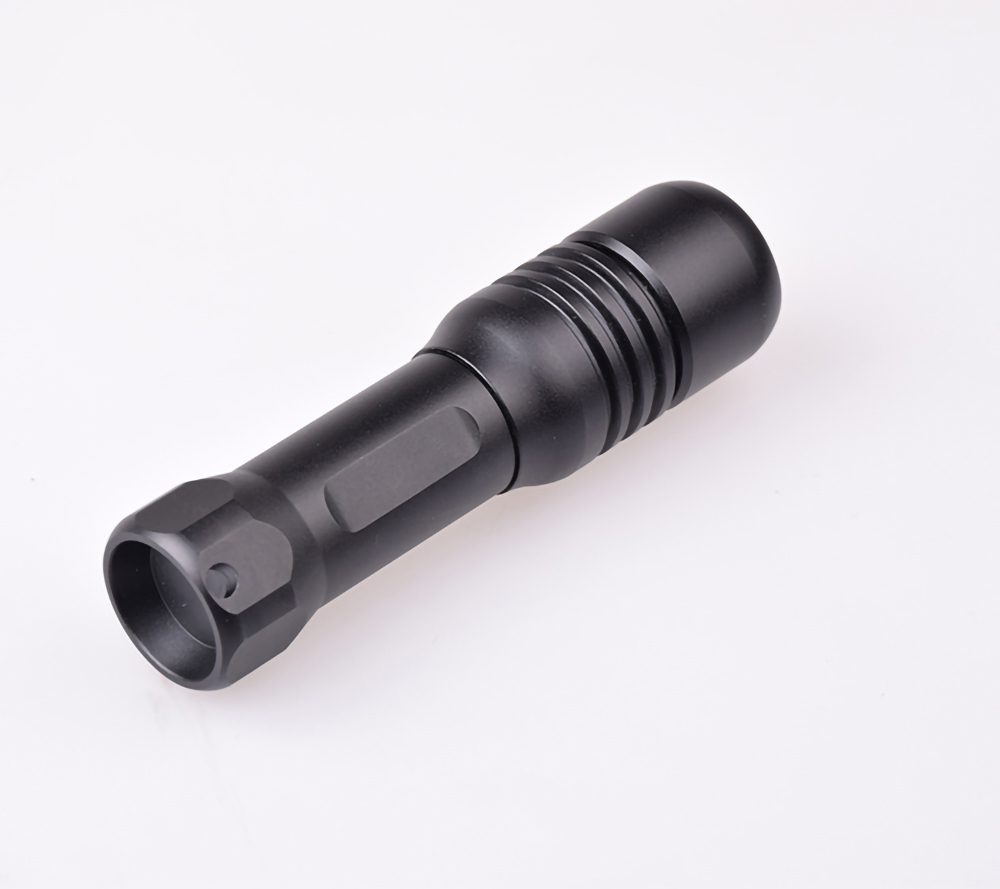
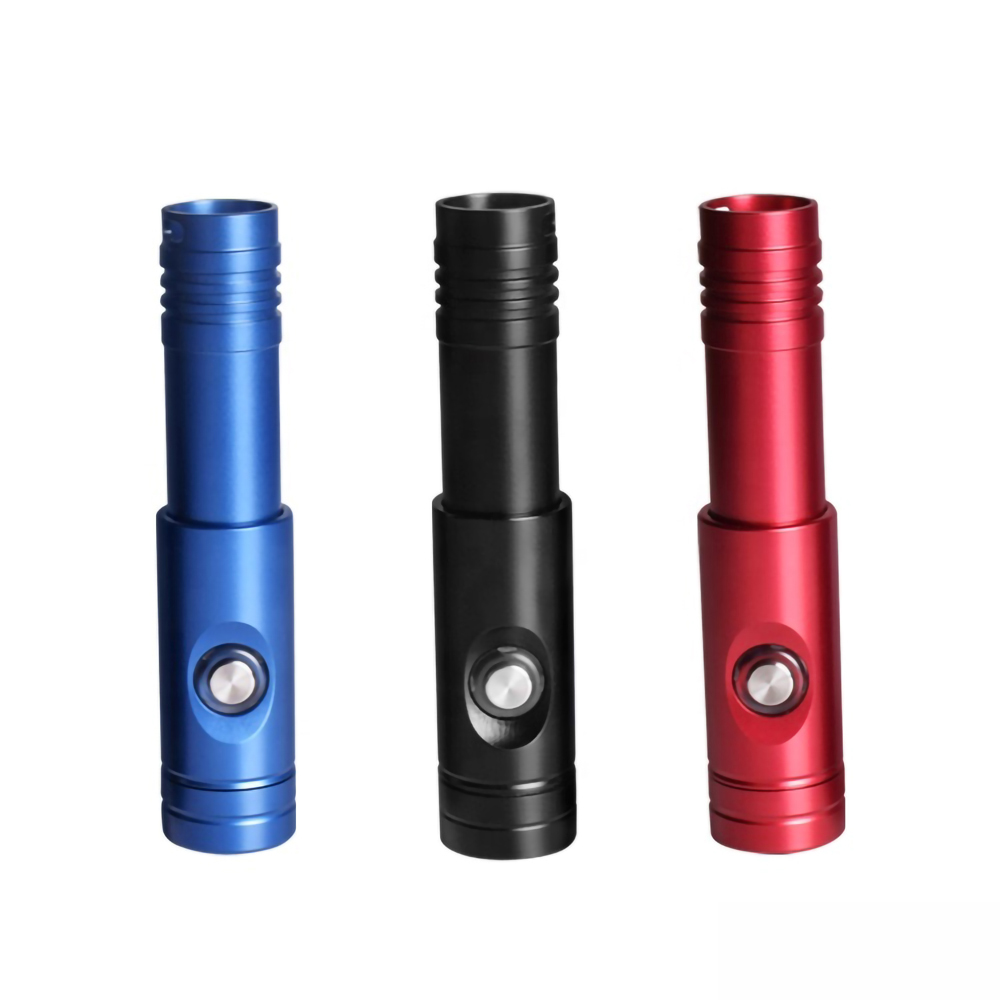
Whether you are a seasoned technical diver exploring dark wrecks or a recreational diver enjoying a vibrant night dive, a reliable dive light / dive torch is an essential piece of safety and performance equipment. Underwater, light behaves differently than it does on land; colors fade, and visibility diminishes with depth. Choosing the right dive light can be overwhelming given the vast array of options on the market. From lumens to beam angles and battery types, here is everything you need to know to select the perfect underwater torch for your adventures.
This article is only brief introduction about dive torch for not only personal user but also business purchase. If you would like to know more, welcome to Wetop Sports knowledge center.
Understand Your Diving Environment
The first step in choosing a dive light is determining how and where you will use it. Dive lights generally fall into three categories: primary, backup, and video / photo lights.
Primary Lights: These are your main source of illumination. If you are a technical diver exploring caves, wrecks, or diving at night, you need a powerful primary light (often a canister light) with a tight, focused beam and long burn time.
Backup Lights: Every diver should carry at least one backup light. These are typically smaller, handheld devices designed to provide enough light to safely ascend or navigate back to the exit should your primary fail.
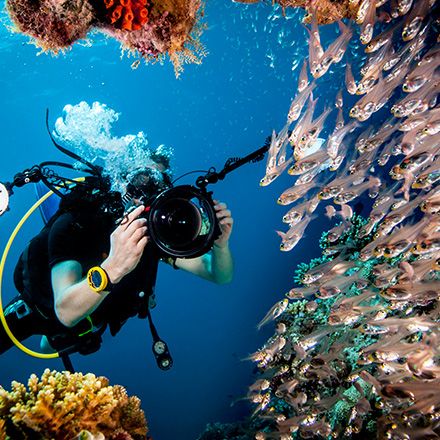
Video & Photo Lights: If you are into underwater photography or videography, you need a light with a wide, even flood beam to eliminate harsh shadows and restore true color to your footage.
Lumens vs. Lux: Brightness Matters
When shopping for dive lights, you will frequently see the term "lumens." Lumens measure the total amount of visible light emitted by the source. While a higher lumen count generally means a brighter light, it is not the only factor to consider.
For recreational night diving, a light between 500 and 1,000 lumens is usually sufficient. For cave or wreck penetration, technical divers often use lights ranging from 2,000 to 5,000 lumens or more. However, be cautious of "manufacturer lumens," as some brands inflate numbers. Look for ANSI-rated lumens for a standardized measure of actual output.
Equally important is lux, which measures the intensity of light on a surface. A light with high lumens but a wide flood beam may not penetrate murky water as well as a light with lower lumens but a tightly focused spot beam.
Beam Angle: Spot, Flood, or Adjustable
The beam angle determines how the light spreads out.
Spot Beams (5–15 degrees): Ideal for murky water, signaling, and long-distance penetration. They cut through particles in the water, reducing backscatter (the reflection of light off suspended particles).
Flood Beams (90–120 degrees): Perfect for video lights or wide-angle photography. They provide even illumination for close-up subjects but scatter easily in silt.
Adjustable Beams: Some high-end lights offer a zoom function, allowing you to switch between a tight spot for signaling and a wide flood for navigating open areas.
Battery Type and Burn Time
Nothing is worse than a light dying halfway through a dive. Dive lights typically use Lithium-ion (Li-ion) batteries, which offer high capacity and consistent output in cold water.
Pay attention to burn time. Manufacturers often list run times, but note whether this is for "full output" or "step-down" mode. Many lights automatically dim after a few minutes to prevent overheating. For a standard two-tank dive day, look for a light that offers at least 1.5 to 2 hours of consistent runtime on high mode.
Additionally, consider ease of charging. Modern dive lights often feature magnetic switches and charging contacts, which eliminate the need for unscrewing the battery cap frequently, reducing the risk of O-ring damage and flooding.
Build Quality and Ergonomics
Your dive light must withstand the pressure of depth. Check the depth rating—most recreational lights are rated for 100 to 150 meters, which is more than sufficient for recreational limits.
The material matters. Anodized aircraft-grade aluminum is the gold standard, offering durability, corrosion resistance, and efficient heat dissipation. Rubber armored lights provide a non-slip grip, which is essential when wearing thick neoprene gloves.
Finally, consider the switching mechanism. Magnetic slide switches are generally more reliable and easier to operate with gloves than twist mechanisms, which can be accidentally turned on or off during a dive.
Conclusion
Choosing the right dive light is a balance between your diving style, environmental conditions, and technical requirements. By considering the brightness, beam angle, battery life, and build quality, you can ensure that your next dive is not only illuminated but also safe. Remember, a dive light isn’t just an accessory—it’s a vital piece of life-support equipment that allows you to explore the hidden wonders of the deep with confidence.
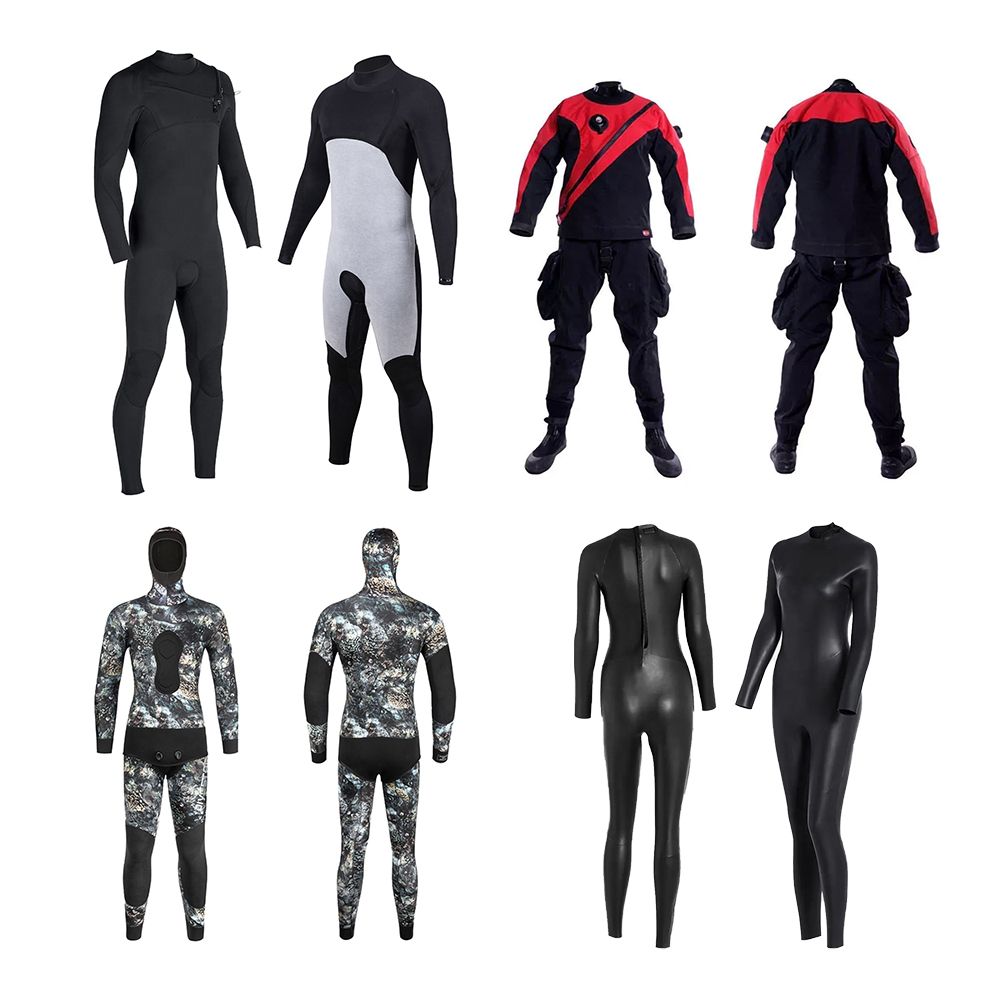
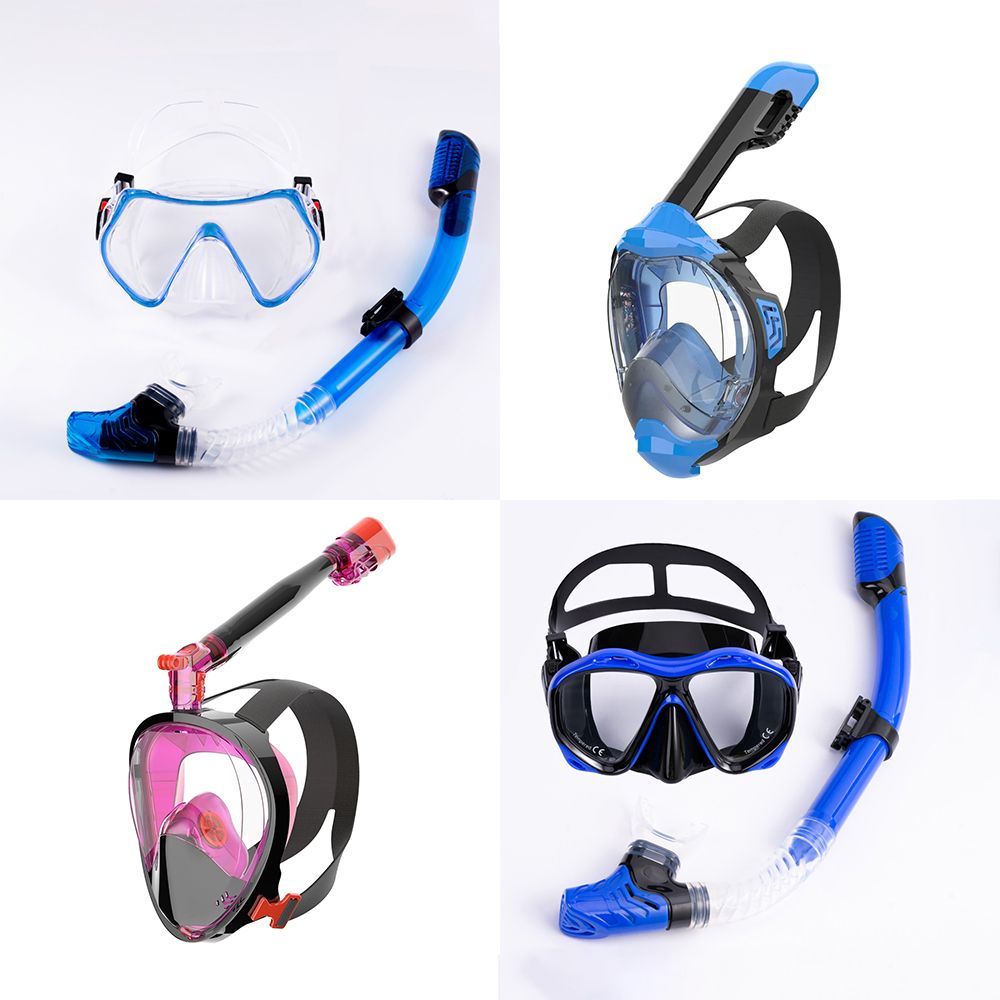
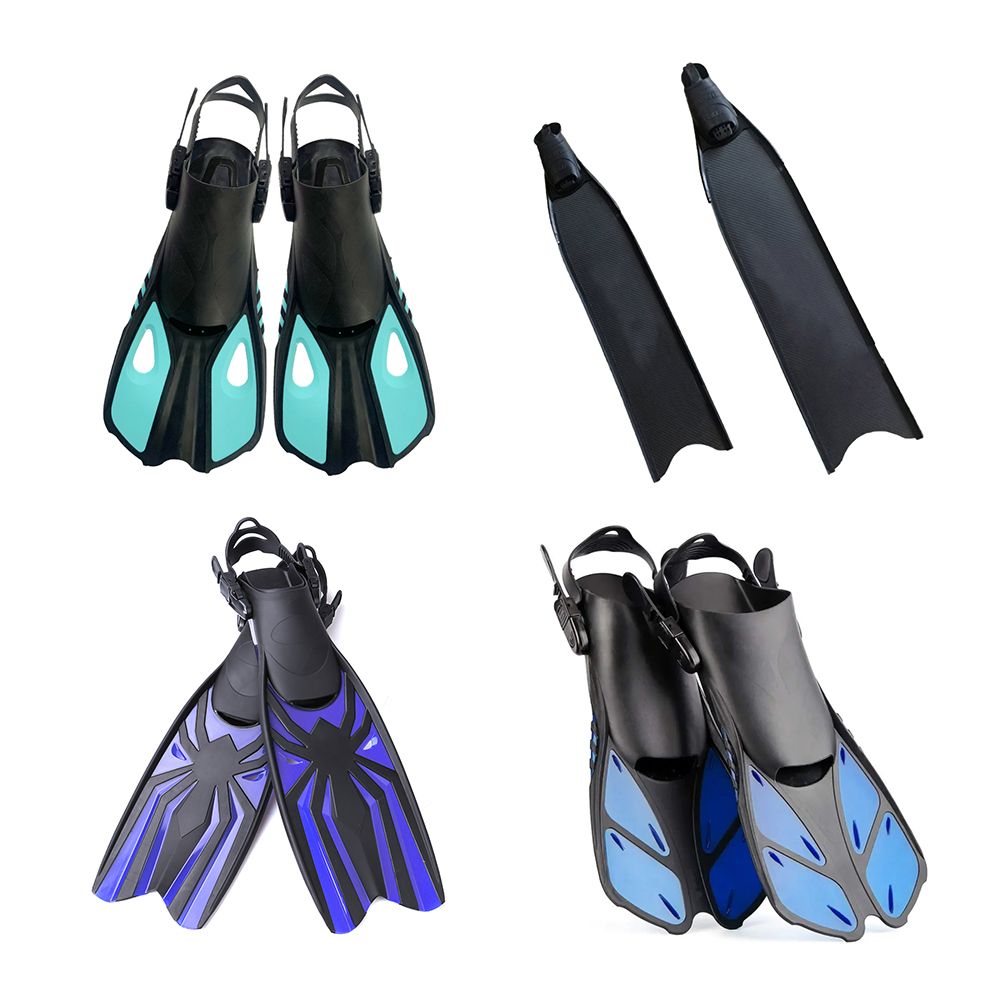
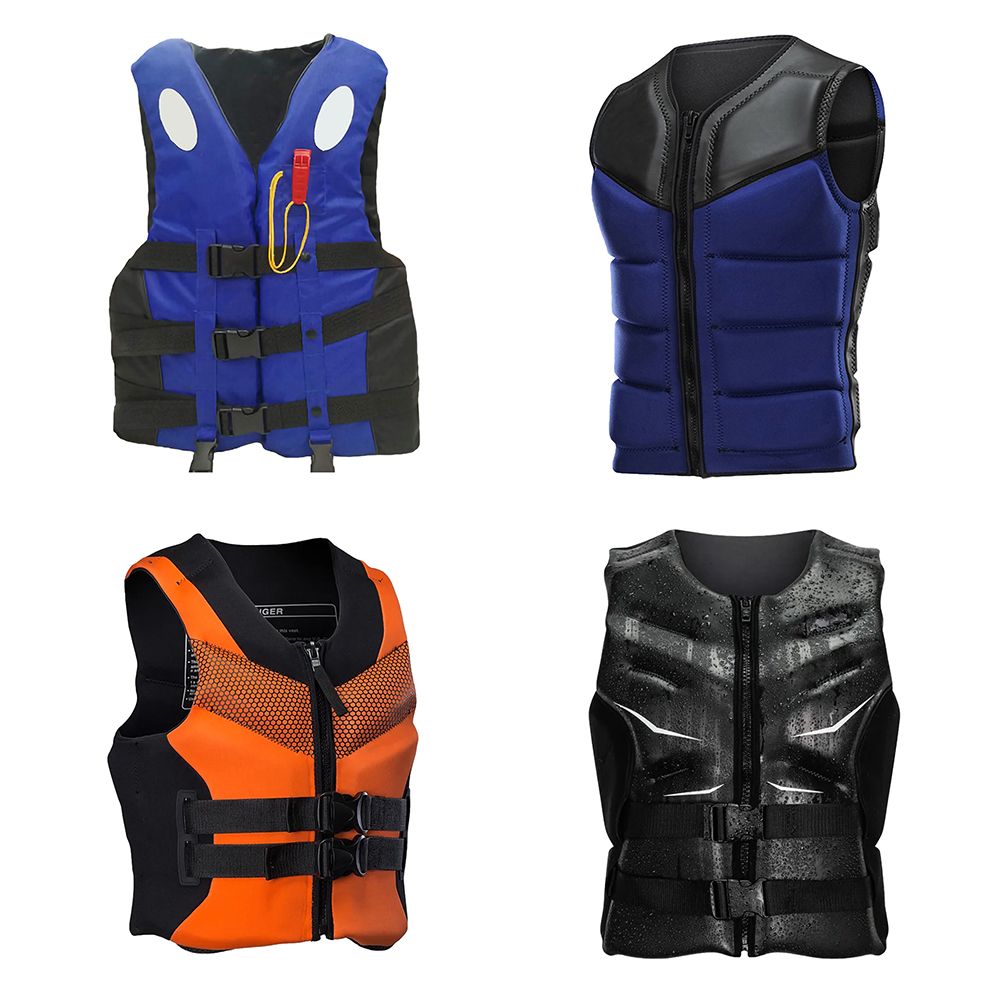
Wetop Sports, as one of the best water sports products manufacturers, it always supplies wetsuit, drysuit, diving mask, diving fins, life jacket, rash guard, … etc. all over the world. Its main business is to assist our customers to build competitive brand with saving their capital and having reliable quality. if you would like to tailor your wetsuits for sale, why don’t you try cooperating with this so professional water sports gear factory?
Latest News
Best Sellers
Experience in Water
Guarantee on Wetop

Tel.: +86 592 6536 876
E-mail: enquiry@wetopsports.com
Copyright © Xiamen Wetop Sports Co., Ltd. All Rights Reserved | Sitemap
Quick Links
Company
Dear Friend
Thank you for your enquiry. We are looking forward to be your fantastic partner soon.
Due to different email systems, If you don't receive our email in the next 2 working days after submitting,
1) Pls kindly search the spam box in your email first,
2) If also not, Pls kindly let me know by leaving message here again, sending email or other contact info. Such as FB, linkedin.
Page automatically Jump waiting time : 30
Enquiry info sending...